
Key Takeaways:
- Regular landscape maintenance increases property value by 5% to 20% and delivers up to 217% ROI
- Preventive care costs significantly less than emergency repairs and rehabilitation
- Native plants adapted to Northeast Ohio require less water, fertilizer, and ongoing maintenance
- Professional maintenance plans protect your investment and provide peace of mind year-round
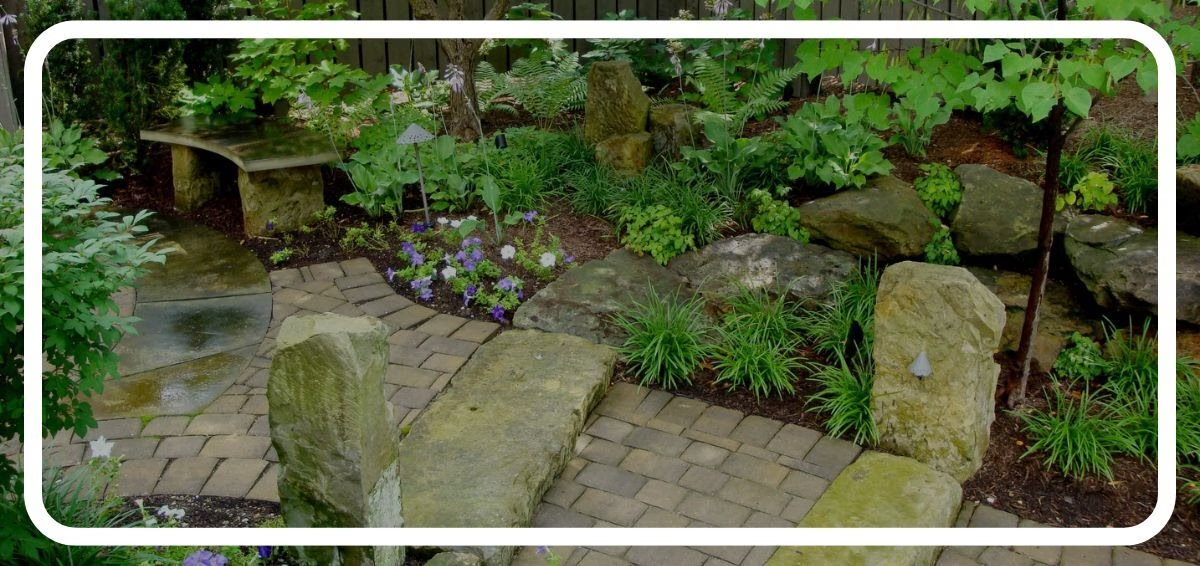
Your landscape represents one of your largest home investments. At Lifestyle Landscaping, we’ve spent 50 years helping Northeast Ohio homeowners protect that investment through consistent, expert care.
The difference between a thriving landscape and a declining one often comes down to regular maintenance.
The Financial Impact of Landscape Maintenance
The numbers tell a clear story. The National Association of Realtors reports that routine lawn care delivers a 217% return on investment. For every $100 you spend on maintenance, you add approximately $217 to your home’s value at sale.
Well-maintained landscaping increases home value by 5% to 15%, with some properties seeing increases up to 20%. Simple maintenance tasks deliver measurable results:
- Replacing mulch and pruning shrubs can increase home value by up to 7%
- Professional landscaping can boost resale price by 15% to 20%
- 71% of homebuyers consider curb appeal when making purchase decisions
- 92% of Realtors recommend improving curb appeal before listing
These numbers matter in Northeast Ohio’s competitive real estate market.
Prevention Costs Less Than Repair
Skipping maintenance feels like saving money. It doesn’t work that way.
Regular maintenance:
- Annual lawn aeration: $100-$300
- Routine thatch removal: $150-$400
- Seasonal pruning and cleanup: $200-$500
Neglect leads to:
- Full sod replacement: $2,000+
- Complete reseeding: $1,500+
- Emergency tree removal: $3,000-$8,000
- Foundation damage from uncontrolled roots: $10,000+
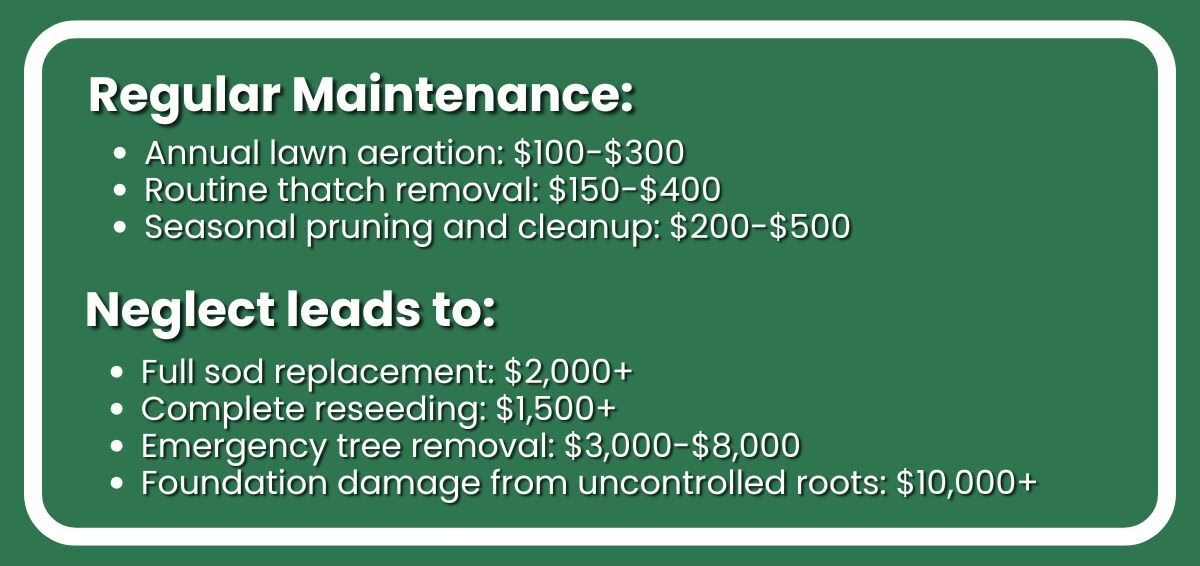
Industry experts agree: consistent care almost always costs less in the long run than bringing back a neglected landscape.
Best Practices for Northeast Ohio Properties
Our region demands specific maintenance approaches. Freeze-thaw cycles, Lake Erie weather patterns, and seasonal extremes require knowledge and timing.
Spring Maintenance (March-May)
Start the season right with these tasks:
- Clean up winter debris before new growth begins
- Prune damaged branches from winter storms and ice
- Apply fresh mulch to retain moisture and suppress weeds
- Test and adjust soil pH for optimal plant health
- Divide and transplant perennials before summer heat arrives
Summer Maintenance (June-August)
Keep your landscape thriving through heat and drought:
- Water deeply but less frequently to encourage deep root growth
- Deadhead flowering plants to extend bloom periods
- Monitor for pests and disease when conditions favor outbreaks
- Maintain consistent mowing height at 3-4 inches for healthier grass
- Edge beds and walkways to maintain clean lines
Fall Maintenance (September-November)
Prepare your landscape for winter success:
- Aerate compacted soil before winter sets in
- Overseed thin lawn areas while soil remains warm
- Plant spring bulbs before the ground freezes
- Cut back perennials after first hard frost
- Protect sensitive plants with proper mulch and covers
Winter Maintenance (December-February)
Winter maintenance protects your investment:
- Plan next season’s improvements with a master plan
- Remove heavy snow from evergreens to prevent branch damage
- Avoid salt damage by using plant-safe ice melt products
- Prune dormant trees and shrubs when the structure is visible
The Native Plant Advantage
Native plants adapted to Ohio conditions require less maintenance once established. They offer practical benefits for busy homeowners:
Lower water requirements: Many native plants thrive on rainfall alone after the first growing season.
Natural pest resistance: Native species evolved alongside local insects and diseases, reducing the need for chemical treatments.
Soil compatibility: These plants are already adapted to Northeast Ohio’s soil pH and composition, so they establish faster and grow more reliably.
Stormwater management: Native root systems filter runoff and control erosion, particularly important given our freeze-thaw cycles.
Pollinator support: Native plants provide essential habitat for bees, butterflies, and beneficial insects that keep your garden ecosystem balanced.
The U.S. Forest Service confirms that native plantings reduce long-term maintenance costs while supporting local ecology.
The Value of Mature Trees
Mature trees represent significant property value. A single mature shade tree adds $1,000 to $10,000 to your property’s appraised value, depending on size, species, and placement.
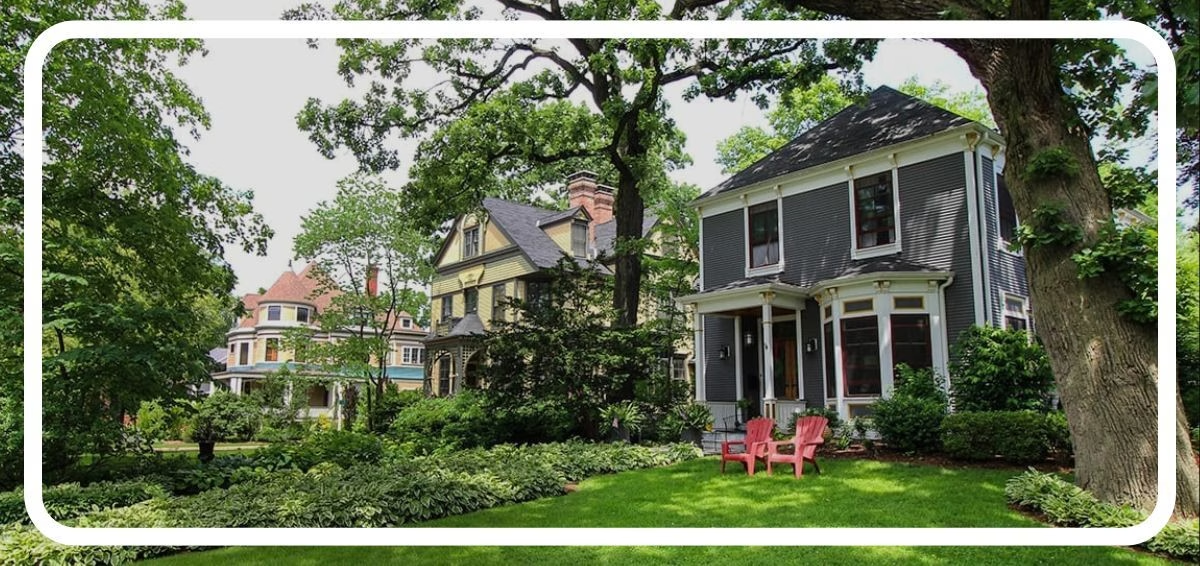
According to the U.S. Department of Energy, carefully positioned trees can save up to 25% of a household’s energy use.
Proper tree maintenance protects this investment:
- Professional care extends tree lifespan by decades
- Annual inspections catch problems before they become hazards
- Strategic pruning maintains structure and health
- Proper mulching protects roots from temperature extremes
When to Call a Professional
Some maintenance tasks require expertise and specialized equipment. Consider professional help for:
- Large tree pruning or removal above 15 feet
- Irrigation system installation or repair to prevent water waste
- Soil testing and amendment for optimal plant health
- Pest and disease diagnosis before problems spread
- Seasonal cleanup and preparation when time is limited
- Master planning for phased improvements over time
Professional maintenance plans provide consistency and expertise. You get the same trained team that knows your property, understands your goals, and catches small issues before they become expensive problems.
Frequently Asked Questions
How often should I schedule professional landscape maintenance?
Most Northeast Ohio properties benefit from monthly visits during the growing season (April-October) and quarterly visits in winter. Your specific needs depend on property size, plant types, and your personal involvement level.
What’s included in a typical maintenance plan?
Professional plans typically include lawn care, pruning, fertilization, pest monitoring, seasonal cleanup, and mulch replacement. Plans are customized based on your landscape’s specific needs and your budget.
Can I handle some of the maintenance myself and hire professionals for the rest?
Absolutely. Many homeowners enjoy basic tasks like deadheading and light weeding while leaving specialized work like tree pruning, aeration, and pest management to professionals. This hybrid approach works well for people who like gardening but want expert help with technical tasks.
Protect Your Investment with Professional Care
Your landscape needs consistent attention to stay healthy, beautiful, and valuable. Regular maintenance prevents costly repairs, protects your property value, and gives you more time to enjoy your outdoor space.
Lifestyle Landscaping has served Northeast Ohio homeowners since 1976. Our Garden Maintenance plans provide expert care tailored to your property’s specific needs and our region’s unique climate challenges.
We handle the technical work so you can focus on enjoying your garden.
Request an expert consultation today. Call us at (440) 353-0333 . We’ll talk through your property’s needs, explain our maintenance approach, and create a customized plan that protects your investment and gives you peace of mind year-round.