
Your backyard has the potential to be more than grass and a deck. It can become the place where you start your morning coffee routine, host weekend dinners, or simply breathe after a long day. Designing an outdoor living space that works for your life takes planning, but the payoff is endless, more usable square footage, better mental health, and a home you actually want to spend time in.
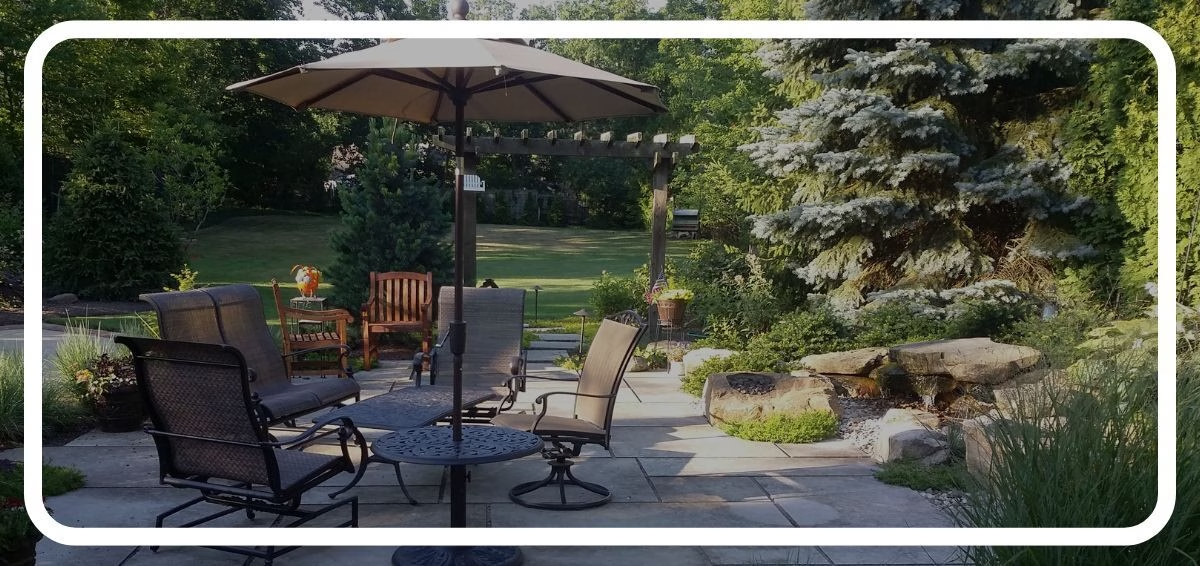
At Lifestyle Landscaping, we’ve spent five decades helping Northeast Ohio homeowners turn their yards into functional, beautiful spaces that hold up through freeze-thaw cycles and lake-effect weather. This guide walks you through the steps to design an outdoor living space tailored to your property and daily life.
Key Takeaways:
- Start with how you’ll use the space — dining, lounging, gardening, or entertaining — before choosing materials or plants.
- Create zones for different activities to maximize function and flow in your yard.
- Choose durable, low-maintenance materials that survive Northeast Ohio winters.
- Work with your site conditions — sun, shade, drainage, and soil — instead of fighting them.
- Plan in phases with a master plan so you can build over time without losing cohesion.
Step 1: Define How You’ll Actually Use the Space
Before you pick pavers or plants, answer one question: what will you do out here?
Your lifestyle drives everything. If you host family gatherings, you need a dining area with shade and easy access to the kitchen. If you want a quiet retreat, you need privacy screening and
comfortable seating. If you garden, you need beds with good sun exposure and storage for tools.
Multi-functional zones are the biggest design trend right now. Homeowners want layouts that support cooking, lounging, dining, and even remote work — not just a single-purpose patio.
Ask yourself:
- Who will use this space? Just you, or guests too?
- What time of day will you be out here?
- Do you want full sun, partial shade, or total privacy?
- What activities matter most: grilling, reading, playing, planting?
Step 2: Assess Your Yard’s Conditions
Your site tells you what’s possible. Work with it, not against it.
Walk your property and note where the sun hits in the morning and afternoon. Check for low spots where water pools after rain. Look at your soil — is it clay-heavy, sandy, or somewhere in between? Notice where wind funnels through or where you get natural shade from trees or structures.
In Northeast Ohio, you also need to think about freeze-thaw cycles, drainage during spring melt, and plant hardiness. Native plants adapted to the region handle these conditions without extra water or fuss.
Site factors that shape your design:
- Sun exposure (full sun, partial, or shade)
- Drainage patterns and soil type
- Existing trees, slopes, or structures
- Views you want to keep or block
- Proximity to utilities or property lines
If you’re unsure about drainage or soil, a site analysis catches problems before you build.
Step 3: Create Zones for Different Activities
The best outdoor spaces have clear zones that guide how you move and what you do.
Think of your yard as a series of outdoor rooms. A cooking zone near the house. A dining area with a table and overhead structure. A lounge spot with seating and a fire feature. A garden bed for vegetables or flowers. Each zone serves a purpose, and together they create flow.
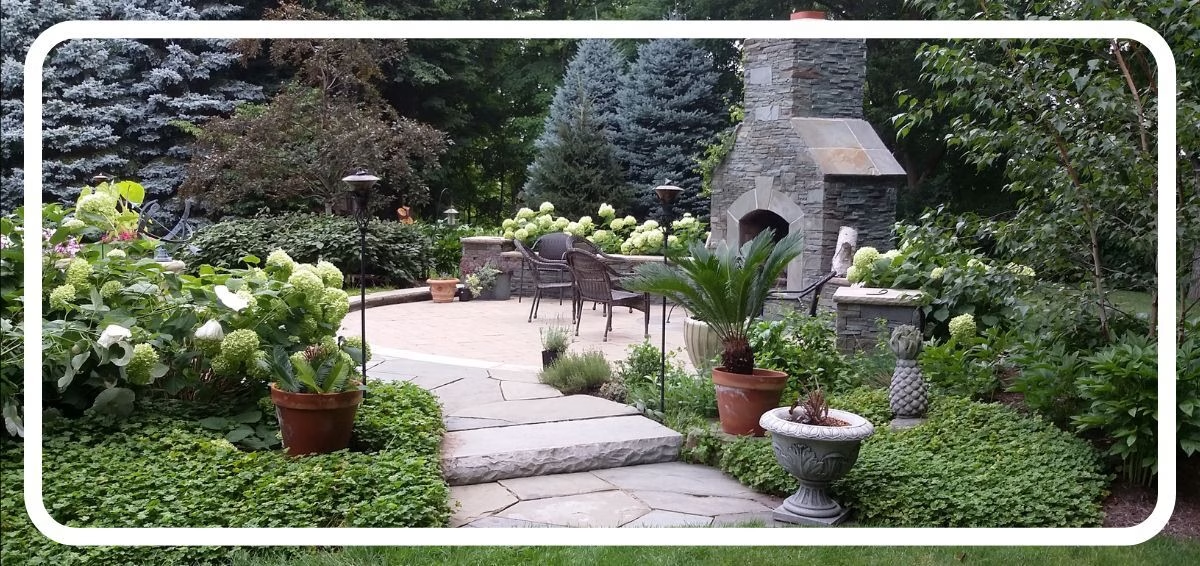
You don’t need all of these at once. Start with the one or two activities that matter most, then add over time.
Common outdoor zones:
- Cooking and prep: Built-in grill, counter space, storage
- Dining: Table, shade structure, lighting
- Lounging: Comfortable seating, fire pit, privacy screening
- Gardening: Raised beds, tool storage, water access
- Play or lawn: Open grass, pathways, durable edges
Use hardscape (patios, paths, walls) to define zones and plants to soften transitions between them.
Step 4: Choose Materials That Will Last
Materials set the tone and determine how much upkeep you’ll do later.
In Northeast Ohio, you need surfaces that handle snow, ice, and temperature swings. Natural stone holds up better than cheap pavers. Composite decking outlasts treated wood. Gravel paths drain well and don’t crack like concrete.
Low-maintenance design is the top priority for homeowners right now. Over 40 percent say they don’t want to spend a lot of time on yard work. That means choosing durable materials and plants that don’t demand constant care.
Material considerations:
- Patios and walkways: Natural stone, permeable pavers, or stamped concrete
- Edging and walls: Stone, brick, or steel for clean lines and durability
- Overhead structures: Cedar pergolas, metal arbors, or shade sails
- Furniture and features: Weather-resistant materials that store easily or stay out year-round
Quality costs more upfront, but it saves you time and money over the years.
Step 5: Pick Plants That Fit Your Maintenance Level
Plants bring life, color, and seasonal interest. They also need care.
Be honest about how much time you want to spend pruning, watering, and weeding. If the answer is “not much,” choose native perennials, ornamental grasses, and shrubs that thrive in your conditions without babysitting.
Native plants support pollinators, handle local weather, and reduce the need for fertilizer or irrigation. They also look natural in Northeast Ohio landscapes instead of imported or tropical.
Low-maintenance plant strategies:
- Use natives adapted to your soil and sun exposure
- Group plants with similar water needs together
- Add mulch to reduce weeds and retain moisture
- Choose perennials over annuals to avoid replanting every year
- Include evergreens for year-round structure
If you love the look of a lush garden but not the work, a garden maintenance plan keeps things healthy without the weekend commitment.
Step 6: Plan for Privacy and Comfort
Your outdoor space should feel like yours.
Privacy matters more than it used to. Homeowners want secluded areas with zero sight lines to neighbors, a shift from the open yards popular a few years ago. You can create privacy with fencing, walls, tall grasses, or layered plantings that screen views without feeling like a fortress.
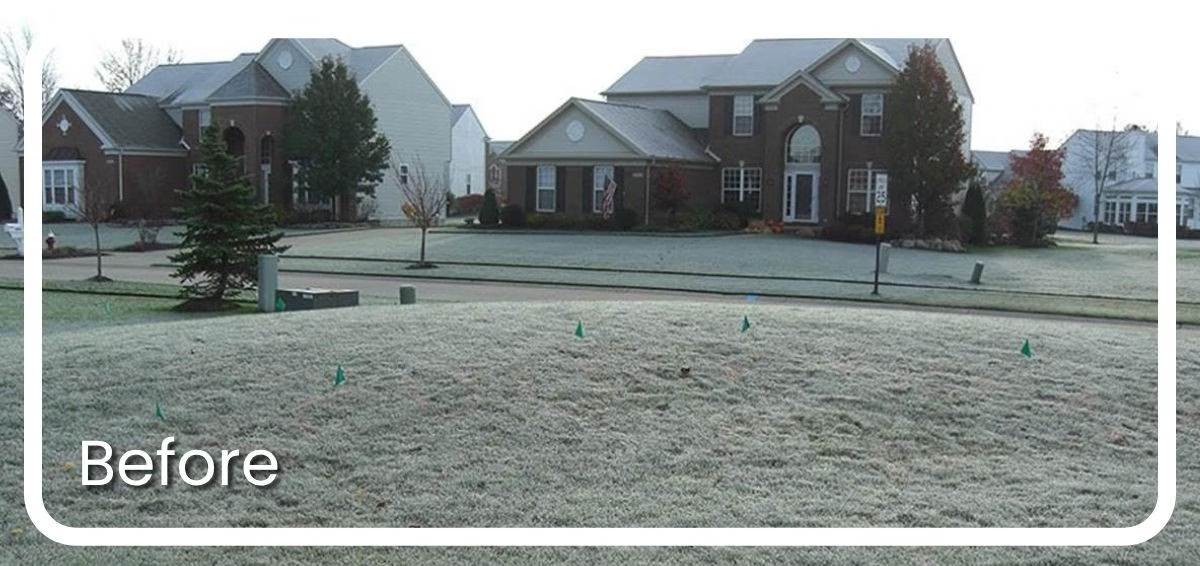
Comfort comes from shade, seating, and protection from wind. Pergolas, umbrellas, or shade trees cool down dining areas. Cushioned furniture and outdoor rugs make lounging spaces feel like indoor rooms. Windbreaks (hedges, walls, or screens) turn breezy spots into calm retreats.
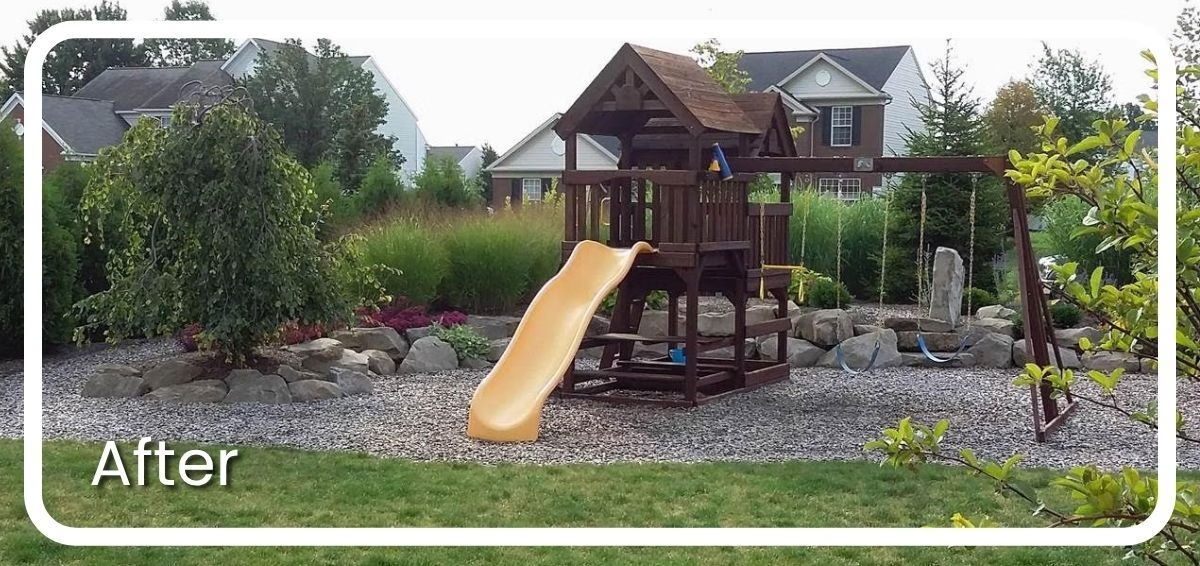
Privacy and comfort elements:
- Fencing, walls, or lattice panels
- Tall ornamental grasses or evergreen shrubs
- Pergolas, awnings, or shade sails
- Outdoor heaters or fire features for cooler evenings
- Soft furnishings (cushions, throws, rugs)
Small changes make a big difference in how often you actually use the space.
Step 7: Think Long-Term With a Master Plan
You don’t have to build everything at once.
A master plan maps out your full vision — zones, materials, plants, features — so you can build in phases without losing cohesion. You might start with a patio and dining area this year, add a fire pit and seating next year, and finish with garden beds and pathways the year after.
Phasing lets you spread costs, adjust as your needs change, and avoid the chaos of redoing work because you didn’t plan ahead.
Benefits of a master plan:
- See the full picture before you commit
- Build in stages without losing design flow
- Budget more accurately over time
- Avoid costly mistakes or rework
- Adapt the plan as your family or lifestyle evolves
A good design team creates a plan that works for your budget and timeline, not just their schedule.
Why Designing an Outdoor Living Space Matters
Your outdoor space affects more than curb appeal.
Research shows that nearly 90 percent of homeowners consider their outdoor areas important to their health and well-being. Half say their backyard is very or extremely important to their mental health. Relaxation is the leading motivation for upgrades, cited by 62 percent of people planning projects.
Well-designed outdoor spaces also increase your home’s value. Real estate studies show that professional landscaping can boost property value by 10 to 15 percent, and homes with inviting outdoor areas sell faster.
This isn’t about trends or Instagram photos. It’s about creating a place where you feel good, spend time, and get a return on your investment.
Frequently Asked Questions
How much does it cost to design an outdoor living space?
Costs vary based on size, materials, and features, but most projects range from a few thousand dollars for a simple patio to $20,000 or more for a full outdoor kitchen and seating area. A master plan helps you phase the project and control spending over time.
What’s the best time of year to start an outdoor project in Northeast Ohio?
Spring and fall are ideal for planting, while hardscape work (patios, walls, paths) can happen anytime the ground isn’t frozen. Starting your design in winter means you’re ready to build as soon as conditions allow.
Do I need a professional designer, or can I do this myself?
You can handle simple projects on your own, but a professional catches site issues (drainage, grading, plant selection) that cause expensive problems later. A designer also creates a cohesive plan that improves your property value and daily enjoyment.
Ready to Design Your Outdoor Living Space?
Designing an outdoor living space that fits your lifestyle starts with understanding how you’ll use it, working with your site, and planning for durability and low maintenance. You don’t need to build everything at once. A clear master plan lets you create the space in phases while keeping the design cohesive and functional.
At Lifestyle Landscaping, we guide you through every step, from the first consultation to site analysis, design, installation, and ongoing care. We’ve been doing this in Northeast Ohio since 1976, and we know what holds up through the seasons.
Request an expert consultation, and we’ll talk through your goals, site conditions, and next steps. or send us a message to get started. Call us at (440) 353-0333 or send us a message to get started.