
Key Takeaways:
- Site preparation takes 20-40% of total project time, but prevents costly mistakes that can cost 2-5 times more to fix later.
- Hardscape must be installed before plants to protect new plantings and ensure proper drainage.
- Quality landscaping increases property value by 10-30%, with well-designed projects recouping 80-100% or more at resale.
- Native plants adapted to Northeast Ohio require less water, resist pests better, and handle freeze-thaw cycles.
- Projects typically take 2-8 weeks from design approval to completion, depending on scope and weather.
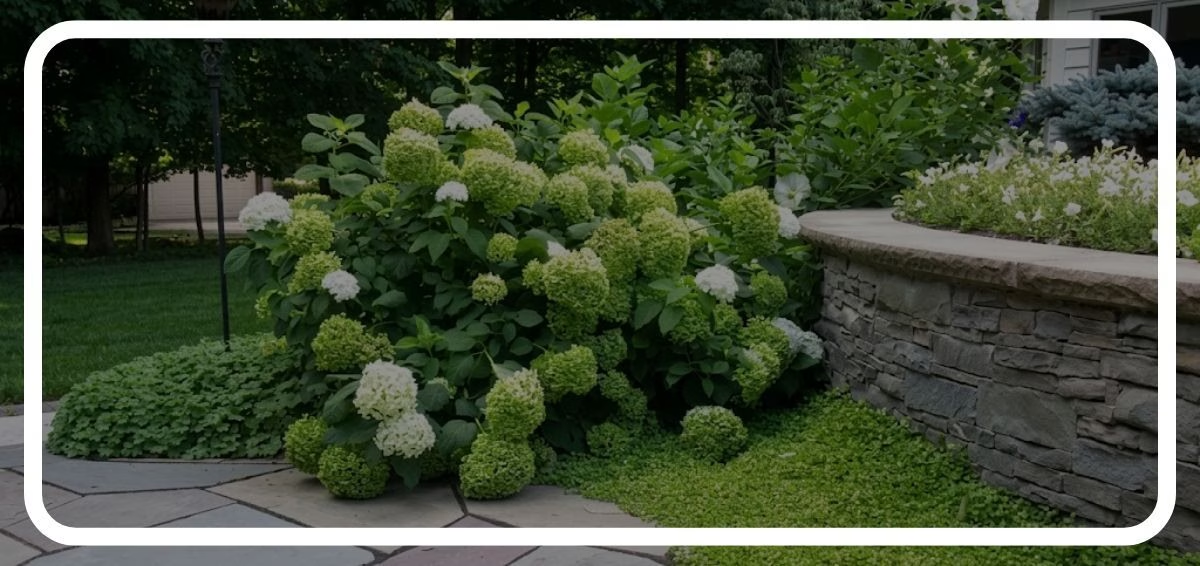
You’re ready to transform your outdoor space. You’ve thought about it, planned for it, and now you want to know what actually happens during a landscape installation in Northeast Ohio.
The process is more involved than most homeowners expect. But when you understand each phase, you can prepare your property, set realistic timelines, and protect your investment from day one.
A landscape installation in Northeast Ohio typically moves through five phases — site preparation, hardscape, planting, finishing touches, and post-installation care — and takes 2–8 weeks depending on project scope.
Phase 1: Planning and Preparation
Your landscape installation starts before anyone breaks ground.
Site Analysis and Planning
A thorough site analysis examines your soil conditions, drainage patterns, sun exposure, and existing vegetation. In Northeast Ohio, this step addresses specific challenges like clay-heavy soil, seasonal water flow from Lake Erie weather systems, and areas prone to winter salt damage.
The design process includes five critical steps:
- Site inventory and analysis of soil, drainage, climate, and existing plants
- Understanding your needs and how you’ll use the space
- Creating functional diagrams that map out activity zones
- Developing conceptual design plans
- Drawing a final design plan with specifications
This planning phase saves time and money. A master plan keeps your project cohesive, even if you build it in phases over several years.
Permits and Scheduling
Depending on your project scope, you might need permits for grading, retaining walls, or drainage work. Your contractor handles this paperwork and coordinates inspections.
Weather plays a big role in Northeast Ohio. Spring installations work around late frosts and wet soil. Fall projects race against the first freeze. Summer offers the most predictable conditions but brings heat stress for new plantings.
Phase 2: Site Preparation and Grading
This is where the real work begins.
Preparing Your Yard for Installation
Before crews arrive, you’ll need to get your property ready for the work ahead.
Clear work areas of outdoor furniture, grills, planters, and decorative items. Mark any underground utilities through Ohio 811 at least a few days in advance. Secure pets and arrange for them to be away from work zones during active installation days.
You should also identify any plants, trees, or features you want to preserve and communicate these to your installation team early. Protect vulnerable areas like delicate garden beds or newly seeded lawn from equipment traffic.
For a complete guide on getting your property installation-ready, including detailed checklists and timeline tips, see our article on how to prepare for landscape installation in Northeast Ohio.
Clearing and Excavation
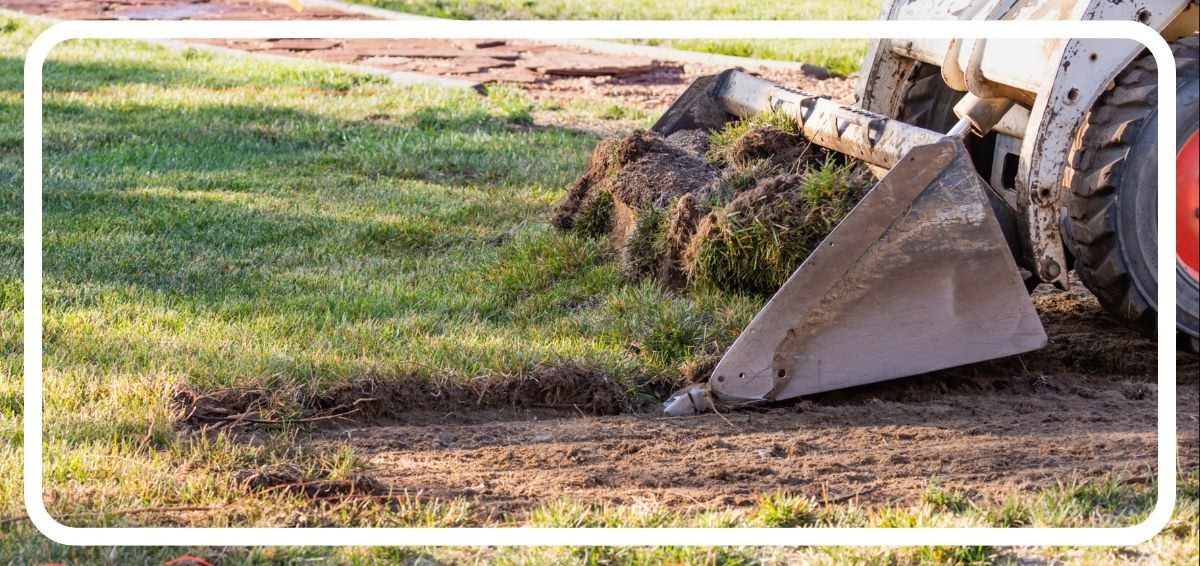
Crews remove existing vegetation, old hardscape, and debris. They mark utility lines and protect areas you want to keep. Any trees or shrubs worth saving get flagged and protected with fencing.
Excavation creates the foundation for patios, walkways, and retaining walls. In Northeast Ohio, this means digging below the frost line (typically 42 inches) for permanent structures that need to withstand freeze-thaw cycles.
Grading for Drainage
Proper grading directs water away from your home and prevents pooling in your yard.
Your property should slope at least 2-3% away from your foundation. Low spots get filled, high spots get leveled, and drainage solutions like French drains, catch basins, or dry wells go in during this phase.
Poor drainage causes more problems than almost anything else in landscaping. It kills plants, damages hardscape, and creates standing water that breeds mosquitoes. Getting this right now prevents expensive fixes later.
Soil Preparation
Northeast Ohio soil tends to be heavy clay. Most plants struggle in it.
Adding organic matter improves water holding capacity, drainage, aeration, and compaction resistance. If possible, add 2-3 inches of organic matter and incorporate it to a depth of 4-6 inches.
For planting beds, crews till to a depth of 12-15 inches. This deep preparation gives roots room to establish and helps plants survive our temperature swings.
Phase 3: Hardscape Installation
Permanent features go in before any plants.
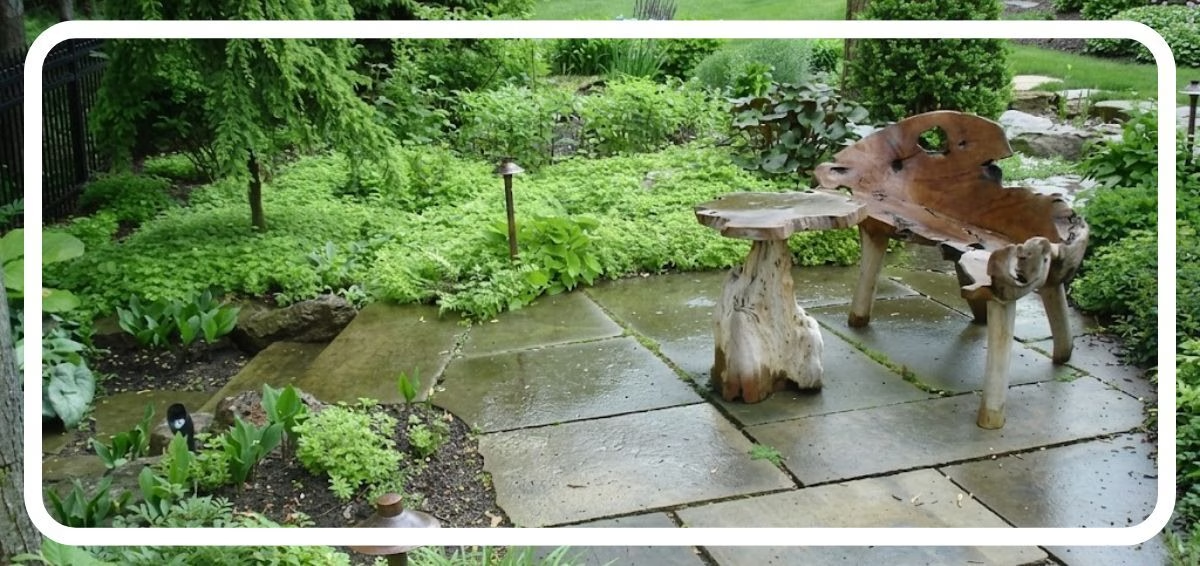
Why Hardscape Comes First
Installing patios, walkways, and retaining walls after planting damages new plants and compacts the prepared soil. Heavy equipment needs access. Materials need staging areas. Doing hardscape first protects your investment in plants and soil preparation.
Material Selection for Northeast Ohio
Not all materials handle our climate equally.
Natural stone withstands freeze-thaw cycles better than most alternatives. Bluestone, limestone, and sandstone are popular choices that hold up through decades of Northeast Ohio winters.
Concrete pavers work well when properly installed with adequate base preparation. Look for pavers rated for freeze-thaw resistance.
Poured concrete cracks without proper control joints and base preparation. It’s less forgiving in our climate.
Base Preparation
The base determines how long your hardscape lasts.
A proper base includes:
- Compacted gravel base (4-6 inches minimum)
- Leveling sand (1-2 inches)
- Edge restraints to prevent shifting
- Proper slope for water runoff
Cutting corners on base preparation leads to settling, shifting, and cracking within a few years.
Phase 4: Planting
With hardscape complete and soil prepared, planting begins.
Installation Sequence
Trees go in first. They’re the largest, need the most root space, and define the structure of your landscape. Shrubs come next, filling in the middle layer and creating privacy or screening. Perennials and groundcovers fill the remaining spaces. Sod or seeding happens last, after all other planting is complete.
Planting Depth and Spacing
Dig planting holes two to three times wider than the root ball. The top of the root ball should sit level with the soil surface. Planting too deep kills more trees and shrubs than almost any other mistake.
Spacing matters for long-term success. Plants need room to reach their mature size without crowding. In Northeast Ohio, consider winter-salt-spray zones near driveways and roads when placing plants.
Native Plants for Northeast Ohio
Native plants evolved within Ohio’s climate variability, including late spring frosts, summer droughts, and periodic ice storms.
They offer real advantages:
- Deeper root systems that manage rainwater runoff and prevent erosion
- Better adaptation to local soils and climate
- Less water needed once established
- More resistance to local pests and diseases
- Support for pollinators and wildlife
Ohio sits in the USDA Plant Hardiness Zone 6. Choose plants rated for your specific zone. Cleveland Metroparks provides comprehensive species guides for Ohio native plants that enhance habitat, create food sources, and support stormwater management.
Phase 5: Finishing Touches
The final details complete your landscape.
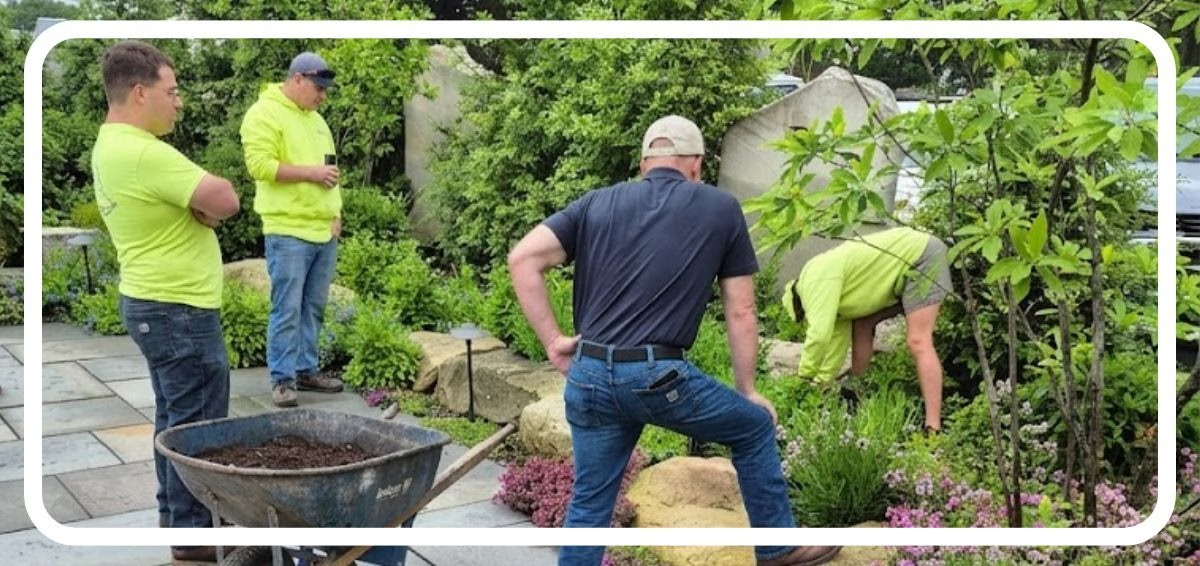
Mulch Application
A 2-3 inch layer of mulch conserves moisture, suppresses weeds, and regulates soil temperature. Keep mulch a few inches away from plant stems and tree trunks to prevent rot.
Hardwood mulch breaks down over time, adding organic matter to your soil. Plan to refresh it annually.
Irrigation Setup
If your project includes irrigation, the system gets installed after planting but before final grading. Zones are programmed based on plant water needs and sun exposure.
Lighting Installation
Landscape lighting extends your outdoor season and highlights key features. Low-voltage LED systems are energy-efficient and easy to maintain.
Post-Installation Care: The First Year
Your landscape needs attention during establishment.
Watering Schedule
New plantings need consistent moisture for the first growing season. Water deeply but less frequently to encourage deep root growth.
Trees and shrubs need about 1 inch of water per week from rain or irrigation. Check soil moisture 2-3 inches below the surface.
Settling and Adjustments
Some settling is normal, especially around new hardscape. Your contractor should return to address any significant issues during the first year.
Plants might show transplant stress initially. This is normal. Most recover within a few weeks with proper care.
Seasonal Maintenance
Plan for ongoing care from the start. Simple maintenance like replacing mulch, pruning shrubs, and removing dead vegetation can increase home value by up to 7%. According to the National Association of Realtors’ 2023 Remodeling Impact Report: Outdoor Features, homeowners can expect a 104% ROI on landscape maintenance.
Establishing a maintenance routine protects your investment and keeps your landscape looking its best through all four Northeast Ohio seasons.
Timeline Expectations
Most landscape installations take 2-8 weeks from design approval to completion.
Smaller projects (basic planting beds, simple patio) finish in 1-2 weeks.
Medium projects (multiple planting areas, walkways, modest hardscape) take 3-4 weeks.
Large projects (extensive hardscape, grading work, full property renovation) need 6-8 weeks or more.
Weather delays are common in Northeast Ohio. Spring rain, summer heat waves, and early fall freezes can all push timelines back. Build in buffer time if you have a deadline.
Frequently Asked Questions
How long should I wait before using my new landscape?
You can walk on new hardscape immediately, but avoid heavy furniture for 48 hours. Stay off new sod for 2-3 weeks until roots establish. Keep foot traffic off planting beds until plants show new growth.
When is the best time to install landscaping in Northeast Ohio?
Spring (April-May) and fall (September-October) are ideal for planting. Hardscape can be installed from spring through fall, weather permitting. Avoid planting during summer heat stress or when the ground is frozen.
What should I do if plants look stressed after installation?
Some wilting is normal for the first week or two. Ensure consistent watering, check that mulch isn’t piled against stems, and give plants time to adjust. Contact your installer if problems persist beyond three weeks.
How do I prepare my property before installation begins?
Mark any underground utilities, remove items from work areas, arrange for pets to be secured, and ensure clear access for equipment. Your contractor will provide a specific checklist based on your project scope.
What maintenance does my new landscape need in the first year ?
Water consistently (1 inch per week), refresh mulch as needed, remove weeds promptly, and monitor for pest or disease issues. Most plants need a full growing season (6-12 months) to establish before they can handle normal stress.
Your Landscape Installation Journey Starts Here!
Quality landscaping adds real value to your property, but only when it’s done right. Each phase of the installation process builds on the previous one, from site preparation that prevents drainage issues to plant selection suited to Northeast Ohio’s climate. Cut corners during installation, and problems compound over time.
At Lifestyle Landscaping, we bring decades of experience creating naturalistic, plant-rich landscapes that thrive in Northeast Ohio’s unique climate. We understand local conditions, use quality materials rated for freeze-thaw cycles, and plan for long-term success from day one.
Ready to start your landscape installation? Request an expert consultation with Lifestyle Landscaping, and we’ll walk through your goals, site conditions, and next steps. Call us today at (440) 353-0333.