
Spring arrives differently here in Northeast Ohio than it does in gardening magazines. One day you’re looking at snow, the next you’re watching forsythia bloom while the ground is still half-frozen. This unpredictable transition makes spring preparation both critical and tricky.
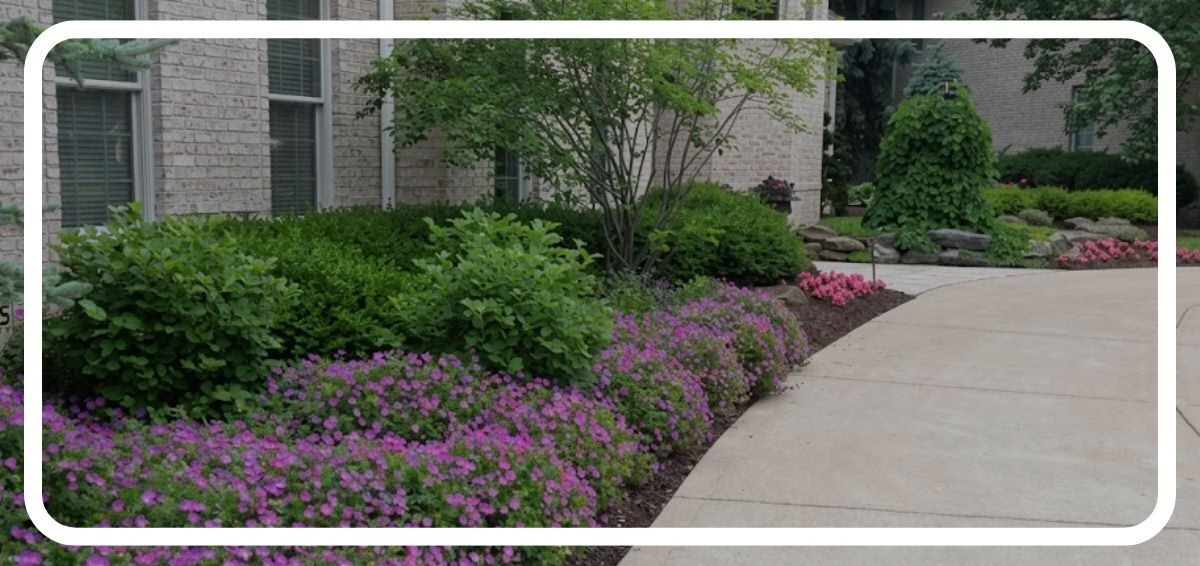
At Lifestyle Landscaping, we’ve spent over 40 years learning how Northeast Ohio gardens wake up from winter. The timing matters more than most homeowners realize. Get it right, and your garden thrives all season. Rush it, and you can set your plants back weeks or damage what survived the winter.
Here’s what you need to know to prepare your garden properly this spring.
Wait for the Right Temperature
Your garden tells you when it’s ready. You just need to know what to look for.
In Northeast Ohio, soil temperatures consistently reach about 50-55 degrees Fahrenheit sometime between late March and mid-April. This is when early spring work can begin safely.
You’ll notice these signs:
- Snow has melted completely
- Forsythia starts blooming
- Grass begins to green up at the base
- Soil crumbles in your hand instead of forming a muddy ball
The soil temperature matters because roots need oxygen to grow. When soil is waterlogged or frozen, roots can’t breathe. Our clay-heavy soils here hold water longer than sandy soils, so patience pays off.
Wait until temperatures exceed 50 degrees Fahrenheit for at least several days before beginning cleanup. This protects overwintering pollinators and beneficial insects that are still emerging from dormancy.
Protect Pollinators During Cleanup
Your garden hosted life all winter. Ground-nesting bees hibernated in leaf litter. Beneficial insects tucked into hollow stems. They’re still there in early spring, waiting for warmer weather.
According to pollinator research, waiting to clean up the garden until after pears and apple blossoms have faded (between mid-April and mid-May) protects a strong majority of native bees from losing overwintering resources.
Here’s how to clean up without harming beneficial insects:
- Leave ornamental grasses and hollow-stemmed perennials standing until mid-spring
- If you must cut them, keep at least 15 inches of stem stubble
- Rake leaf litter gently and leave some in garden beds as mulch
- Wait until daytime temperatures consistently reach the 50s
Native plants support four times more pollinators than non-natives. If you’re planning new plantings this spring, native species give you healthier gardens with less maintenance.
Test and Improve Your Soil
Our soil in Ohio’s growing zone (zone 6) often runs heavy and clay-based. That’s not bad soil. It just means roots need help getting started.
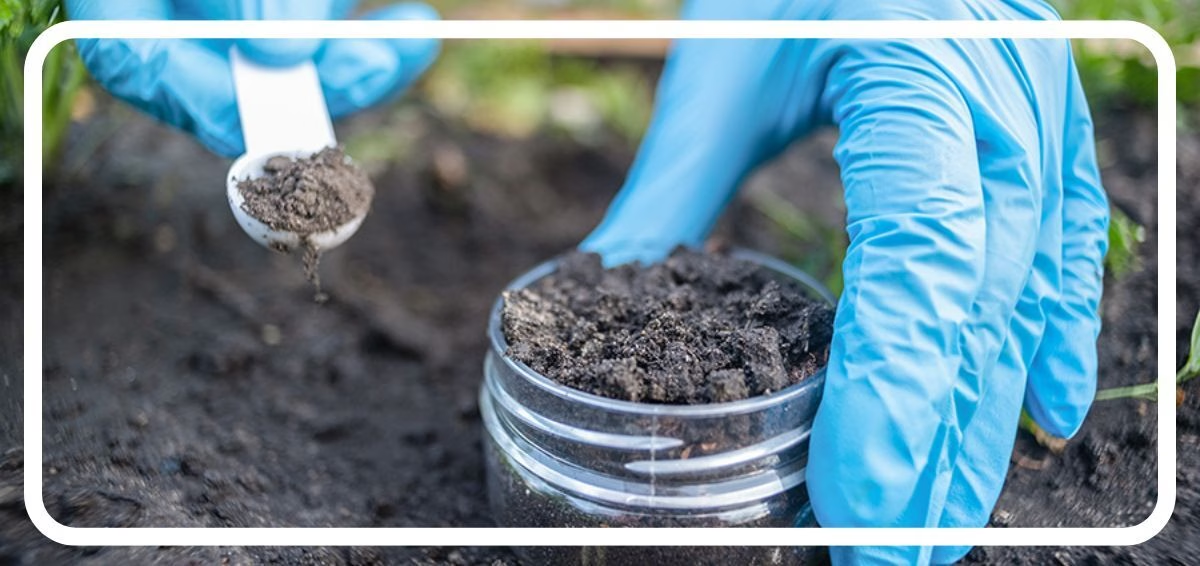
When you add organic matter and loosen the top layer, water moves more easily, oxygen reaches the roots, and planting becomes easier. Adding 2-3 inches of compost or other organic matter each spring helps achieve better drainage and workability.
Soil testing provides more helpful information than any other resource. Testing is an inexpensive way to maintain good plant health in lawns and landscapes.
A soil test tells you:
- pH levels (most plants prefer 6.0-7.0)
- Nutrient deficiencies
- Organic matter content
- Specific amendments your soil needs
Clay soil with low nitrogen needs different treatment than compacted soil with high pH. Soil in garden beds should be workable to a depth of 10-12 inches. Most roots grow in the top 8 inches, so maintaining healthy topsoil with organic amendments matters more than deep tilling.
Time Your Pruning Carefully
Brown needles on evergreens tempt you to grab the pruners, but you should wait.
Early spring is a great time to prune most trees and shrubs for size, shape, and to remove dead, diseased, or damaged growth. Pruning just before new growth emerges allows cuts to heal better and direct nutrients toward new branches and limbs.
But here’s what many homeowners don’t know: what looks dead might just be dormant. Completely brown needles by late spring signal real damage. Brown tips in early April might green up by May.
Give plants until mid-spring to show their recovery potential. Patience before pruning preserves plant health. Early pruning can harm plants that would have recovered on their own.
Prune these in early spring:
- Summer-blooming shrubs (they bloom on new growth)
- Damaged or diseased branches (remove immediately)
- Overgrown trees and shrubs (before leaves emerge)
Wait until after blooming to prune:
- Spring-blooming shrubs like forsythia and lilac
- Flowering trees like magnolia and crab apple
Remove Debris Strategically
Too many dead leaves, twigs, and other matter block nutrients from entering the soil. Removing debris from your lawn before the peak of spring season promotes healthy sunlight exposure and growth.
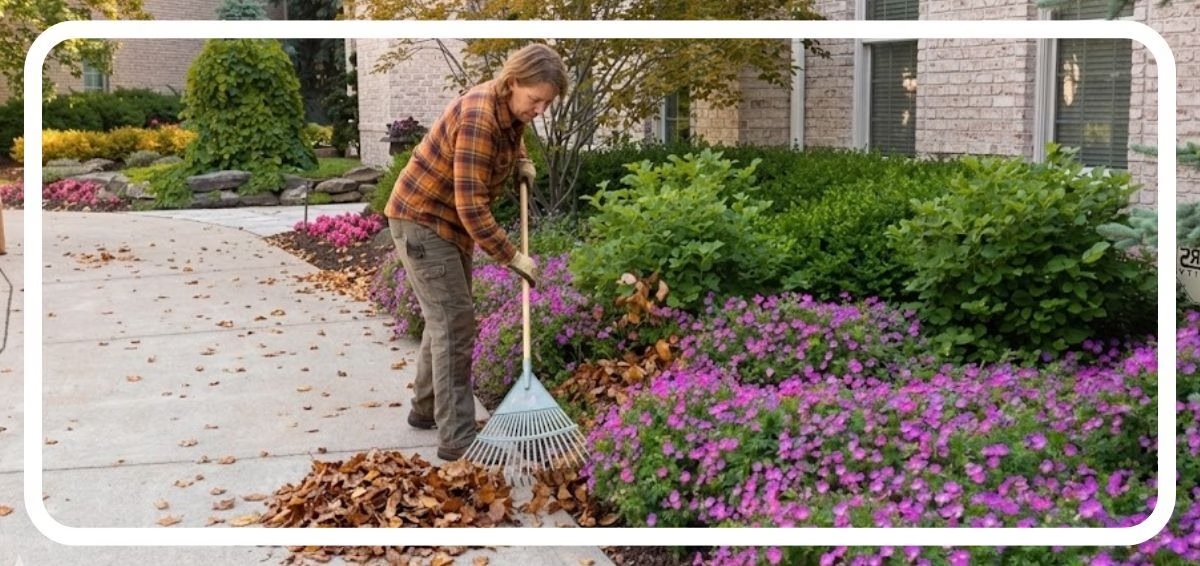
But don’t strip everything bare. Some debris serves a purpose:
- Leaf litter in garden beds acts as natural mulch
- Twigs and small branches provide habitat
- Dead plant stems shelter beneficial insects
Focus cleanup efforts on:
- Lawns (rake thoroughly to prevent disease)
- Walkways and patios (clear for safety and drainage)
- Around building foundations (prevent moisture problems)
- Heavily matted areas (where nothing can grow through)
Plan for Long-Term Health
A little prep now means healthier roots, fewer problems later, and a garden you actually enjoy. Getting your yard fertilized and your garden planted early puts you ahead of weeds, heat stress, and growing-season delays.
Spring preparation sets up the whole growing season. When you improve soil structure, time your cleanup right, and prune strategically, plants establish stronger root systems. Stronger roots mean better drought tolerance, fewer pest problems, and healthier growth all summer.
We’ve seen this pattern for over 40 years in Northeast Ohio gardens. The homeowners who invest time in spring preparation spend less time fighting problems in July and August. Their gardens look better and require less intervention.
Your spring checklist:
- Wait for consistent 50-degree temperatures
- Test your soil and add amendments
- Clean up debris while protecting pollinators
- Prune at the right time for each plant type
- Add 2-3 inches of organic mulch to beds
- Plan any new plantings
Frequently Asked Questions
When should I start spring cleanup in Northeast Ohio?
Wait for soil temperatures to consistently reach 50-55°F, typically late March to mid-April. Look for forsythia blooming, completely melted snow, and soil that crumbles instead of forming a muddy ball.
Can I damage my garden by cleaning up too early?
Yes. Early cleanup harms beneficial insects hibernating in leaf litter and hollow stems. Working wet or frozen soil damages roots and compacts Northeast Ohio’s clay-heavy soil, reducing oxygen to roots.
What’s the difference between pruning in early spring vs. after blooming?
Summer-blooming shrubs bloom on new growth, so early spring pruning encourages more flowers. Spring bloomers (forsythia, lilac, magnolia) bloom on old wood—pruning in early spring removes this season’s flowers. Wait until after they bloom.
Do I really need a soil test, or can I just add compost?
A soil test tells you exactly what your garden needs. Northeast Ohio’s clay soils vary widely in pH and nutrients. Testing reveals whether you need lime, sulfur, or specific amendments—it’s inexpensive and prevents wasted effort.
Get Professional Help When You Need It
Spring preparation takes knowledge of local conditions, proper timing, and understanding what your specific property needs. Our clay soils, freeze-thaw cycles, and unpredictable spring weather create challenges that generic advice doesn’t address.
Lifestyle Landscaping provides spring landscape assessments that identify exactly what your garden needs. We look at soil conditions, winter damage, drainage issues, and plant health. Then we create a plan that fits your property and your goals.
Our spring services include:
- Professional cleanup timed for your garden’s needs
- Strategic pruning that protects plant health
- Plant selection and installation
- Mulching and bed preparation
- Long-term maintenance planning
We’ve built our reputation on understanding Northeast Ohio gardens. The same approach that works in Columbus doesn’t always work here. Lake Erie weather patterns, our soil composition, and our growing season require local expertise.
Request an expert consultation, and we’ll talk through your goals, site conditions, and next steps. Your garden is waking up. Give it the right start, and it will reward you all season long.