
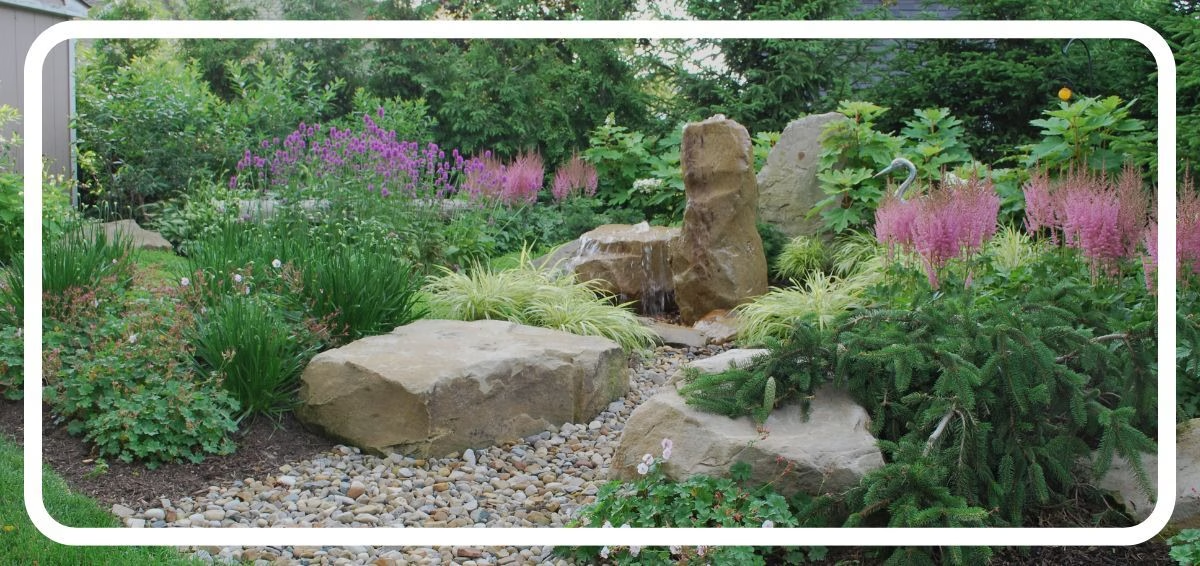
One of your first planning decisions is whether to complete your full outdoor project in one build or split it into phases. Your choice affects your budget, your schedule, and how soon you can use the space. It also affects how consistent the final result looks and how smoothly the crew can work.
This guide covers pros, cons, and scheduling factors for landscaping planning in Northeast Ohio so you can choose the option that fits your property and your life.
Quick Answer
If you already have a complete design and your budget is ready, doing the full project in one build usually saves time and reduces repeat costs in Northeast Ohio. If budget or timing limits you, phasing can work well. Start with a master plan so each phase supports the end result.
Why a Master Plan Matters
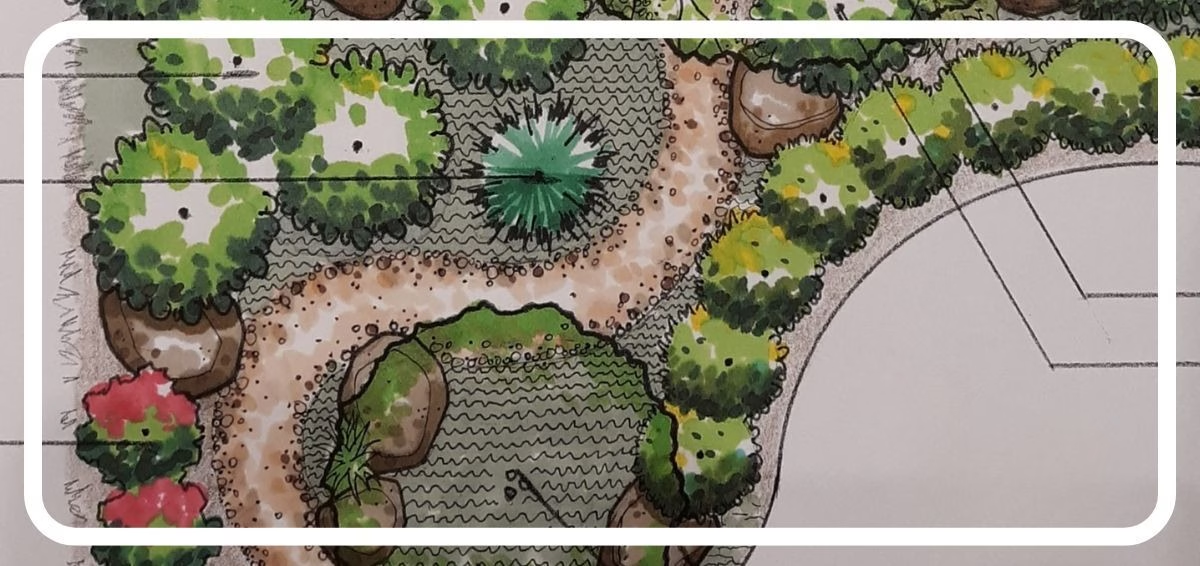
Start with a full master plan for your property and landscaping project, no matter how you build. It protects your investment by keeping decisions aligned with the full vision.
Even if you build in stages, a clear plan helps you avoid mistakes that waste time and money.
A strong master plan:
- Creates one clear vision for your whole property
- Prevents expensive rework later
- Lets you install key infrastructure early, like drainage, conduit, and irrigation sleeves
- Keeps materials and design details consistent, so the project does not feel pieced together
- Keeps each phase moving toward the end result you want
If you want a plan that reduces do-overs, start with consulting a professional to get a detailed landscape design and installation plan.
A master plan gives you direction, whether you build everything at once or over time.
Benefits of Completing the Full Project in One Build
A full build can deliver a finished result without stretching work across multiple seasons. Many Northeast Ohio homeowners choose this route for efficiency. You go through one construction period, then you get your yard back.
Cost Scheduling and Efficiency
One build often lowers total cost by avoiding the need to repeat setup and scheduling work. One build can help you:
- Reduce repeat mobilization and admin costs
- Simplify permits and project management
- Keep design and materials coordinated from day one
- Reduce stress from price changes over time
Material and labor costs can change year to year. If you plan to complete the full project, starting sooner can reduce pricing surprises.
Less Disruption at Home
Construction gets messy. The main difference is whether you deal with it once or multiple times.
With one build, you often get:
- One concentrated construction window
- Less risk of crews crossing finished areas later
- Faster access to the finished space
This matters in Northeast Ohio because windows of prime building conditions are relatively short. Weather shifts and spring calendars fill fast.
More Unified Final Result
When a crew installs everything as one coordinated build, each part works together on day one.
- Materials match more consistently
- Plantings follow one layout, spacing plan, and intent
- Grading and drainage work as one system
- Trees and shrubs establish on the same timeline
Northeast Ohio freeze-thaw cycles punish poor edges, weak base prep, and weak drainage. A full-scope system design makes high-quality construction easier.If you plan a full build, review how to prepare for installation in Northeast Ohio.
Why Phasing Can Still Make Sense
Many homeowners prefer to spread work over more than one season. Phasing works best when you follow a master plan and sequence work on purpose, rather than adding unrelated pieces each year.
Financial Flexibility
Phasing lets you spread investment over time while moving toward one consistent result.
- Start with your highest-priority areas
- Build toward the full plan without stretching your budget
- Reduce financial strain while you still see progress
Confidence in Your Contractor
If you feel unsure about committing to a full transformation with one team, phasing can help you evaluate fit.
- Watch quality and communication up close
- Build a working relationship before expanding the scope
- Make long-term choices with more peace of mind
To see what the experience looks like, read our client testimonials.
Flexibility Based on How You Use the Space
Some homeowners want to live with early changes before final selections.
- Build foundational features first, then refine your wish list
- Install privacy trees early so they mature while you plan later phases
- Adjust plant choices after you observe sun, shade, and drainage patterns on site
What to Expect with a Phased Build
Phasing can work well, but it’s important to set expectations early:
- Total cost often rises due to repeat scheduling, setup, and repeat site work
- Your yard can feel like a construction zone across multiple seasons
- Material matching gets harder if products change or get discontinued
Phasing works best with a clear plan, an intentional sequence, and early infrastructure work.
Key Logistics for Northeast Ohio
If you plan to phase your project, logistics matter as much as design.
Follow the Back-to-Front Rule
In most cases, complete the backyard first.
- Crews and equipment need access to the rear of your property
- Finishing the front first raises the risk of damage during later access
- Plan temporary access routes to protect finished areas
Install Infrastructure Early
If you phase your project, do not delay work you will need later.
Plan early for:
- Drainage to prevent pooling, soggy turf, and water near foundations
- Conduit sleeves for lighting, irrigation, and future power
- Footers or bases for future structures, like pergolas or outdoor kitchens
In Northeast Ohio, freezing temperatures and frost affect unfinished work. Completing underground work before the ground locks up helps protect the project and reduces rework.
Plan Materials and Stay Aware of Local Code
If your project includes pavers, walls, or specialty stone, plan for consistency.
- Matching later gets harder if colors or styles change
- If exact matches matter to you, discuss material planning early with your contractor
Permit rules vary by municipality. A professional team should guide you on approvals and sequencing.
For tree planting timing and general guidance, the Ohio Department of Natural Resources offers useful information.
Typical Timeline for Northeast Ohio Projects
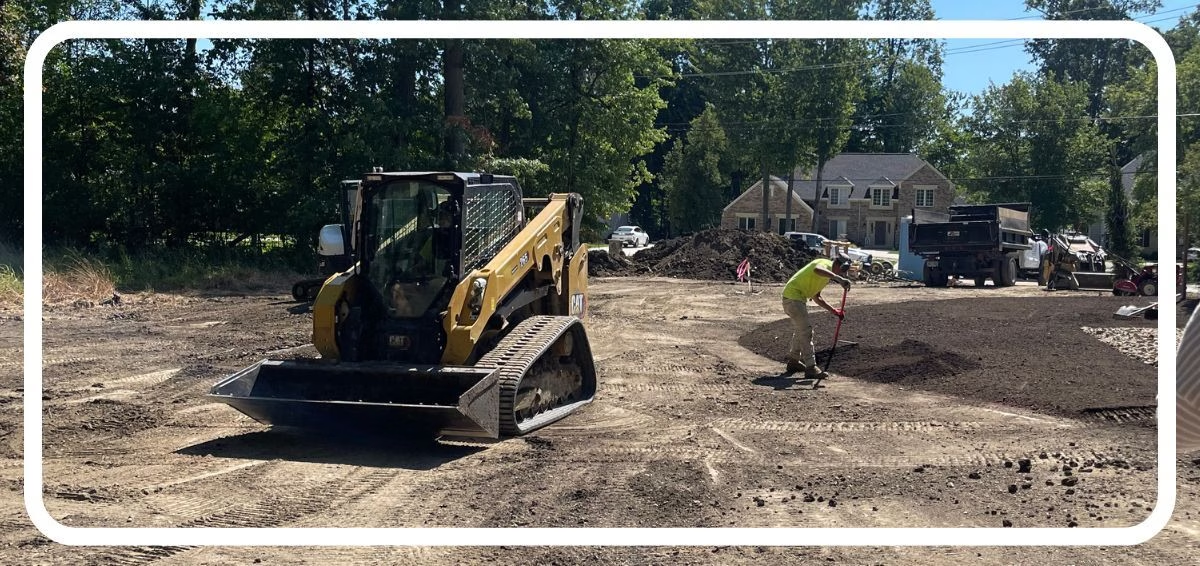
Many homeowners ask how long outdoor construction takes. Timelines depend on scope, materials, and weather, but these ranges stay common:
- Design and planning often take weeks, based on complexity and your decision pace
- Installation can take a few days for smaller projects, or multiple weeks for full-property work
- Spring schedules fill fast because ideal work windows stay limited
Efficient projects start with a clear plan, quick decisions, and early scheduling.
Use This Checklist to Help You Decide:
- You have the budget or financing ready to complete the full project this season.
- You want one construction window, not repeated work across multiple seasons.
- You feel confident in your full design plan today, including layout, materials, and major features.
- You want consistent materials across the entire project, with less risk of product changes later.
- You can schedule early enough to secure a prime build window in Northeast Ohio.
If you check 4 to 5 items: Plan a full build.
If you check 2 to 3 items: Either option can work. Start with a master plan and price both paths.
If you check 0 to 1 item: Plan phases. Start with a master plan, then complete backyard access, drainage, and utilities first.
Ready to Plan Your Project with Lifestyle Landscaping?
Whether you want a one-season transformation or a phased plan, Lifestyle Landscaping can help you plan work based on your property, your priorities, and Northeast Ohio conditions.
Call (440) 353-0333 or request a consultation through our website. Let’s create an outdoor space you will love, whether you build in one season or in phases.
Frequently Asked Questions
How do I keep hardscape materials consistent across phases?
If exact matching matters, talk with your contractor early. Some homeowners purchase materials up front. Others choose selections that stay cohesive even if product lines change later.
Does phasing increase total cost?
Phasing often increases total cost because you repeat mobilization, scheduling, and sometimes site preparation. Material pricing can also change over time. A master plan helps keep phased work coordinated.
What is the back-to-front rule?
Complete backyard work first so crews and equipment do not damage finished front yard areas when accessing the rear of the property.
How do I choose a contractor for a phased project?
Choose a team with strong communication and proven experience managing long-term, multi-season work. Reviews, portfolios, and testimonials help you evaluate consistency.
When is the best time to plant trees in Northeast Ohio?
Many homeowners plant from April through early June. Timing also depends on species and site conditions.