
Winter is over, and your landscape is showing the scars.
Brown evergreens. Dead patches in your lawn. Crispy shrub branches. These are the telltale signs of salt damage from months of de-icing your driveway and walkways.
The good news? Many plants can recover with the right spring care. Some damage is permanent, but quick action in early spring can help much of your landscape bounce back.
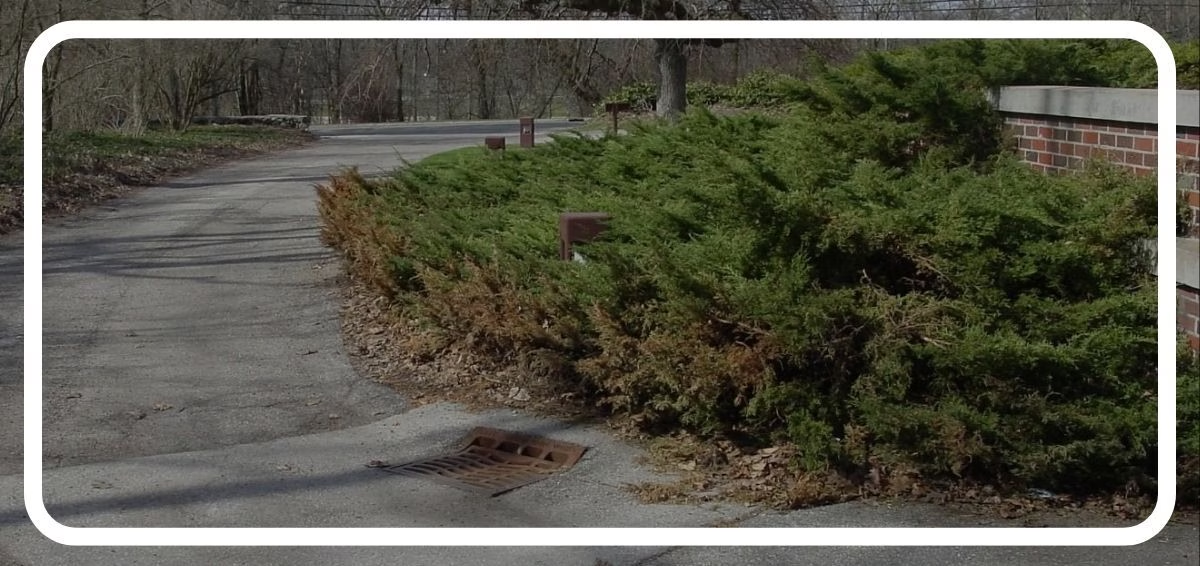
Here’s how to assess the damage, help your plants recover, and prepare for next winter.
Understanding What Happened Over Winter
Before you start repairs, it helps to understand what salt did to your plants over the past few months.
Salt creates artificial drought conditions.
Rock salt absorbs water and holds onto it. Your plants can’t access moisture even when the soil seems wet. They experience drought symptoms in the middle of winter.
Salt steals essential nutrients.
When sodium and chloride dissolve in soil, they displace other minerals your plants need. Your plants absorb sodium and chloride instead of potassium and phosphorus. They essentially starve while surrounded by nutrients.
Salt spray travels farther than you think.
Research shows that between 20 and 63% of de-icing salt moves through the air and lands in soil as far as 130 feet away. Your plants don’t need to be near the road to suffer damage.
The Signs of Salt Damage
If you’re seeing these symptoms now, your landscape has salt damage:
- Brown or yellow foliage on evergreens
- Dried, crispy branch tips
- Dead patches in your lawn near driveways or sidewalks
- Stunted growth when spring arrives
- Plants that look wilted despite adequate water
Evergreens suffer the most. They keep their needles all winter, which means they’re constantly exposed to salt spray. Many evergreen plants develop pale green, yellow, or brown foliage by March.
Tip: Don’t rush to prune dead-looking branches. Wait until mid-spring when new growth starts. Some branches that look dead may still recover.
Your Spring Repair Action Plan
Now that you understand the damage, here’s exactly what to do this spring to help your landscape recover.

Step 1: Flush the Soil
This is your most important repair action. Start as soon as the ground thaws.
How to do it: Apply 2-3 inches of water to areas within 10 feet of driveways, sidewalks, and roads where salt was used. This deep watering pushes accumulated salt below the root zone.
Water slowly over several hours so the soil absorbs it rather than running off. Repeat weekly for three weeks.
Tip: Look for white crusty deposits on the soil surface. These indicate heavy salt buildup and need extra flushing.
Step 2: Apply Gypsum Pellets
After your first soil flush, spread gypsum pellets (calcium sulfate) on salt-affected areas.
Gypsum works two ways: it displaces sodium ions in the soil and improves soil structure, so water and nutrients flow better. Follow the application rates on the package—typically 40 pounds per 1,000 square feet.
Work the gypsum lightly into the top inch of soil, then water it in.
Step 3: Test Your Soil
If damage is severe or you’re not sure how much salt accumulated, get a soil test from your local extension office.
Ask specifically for sodium and chloride levels. The test results will tell you if you need additional treatment and can guide your fertilization plan for the season.
Step 4: Wait Before Pruning
It’s tempting to cut away brown, dead-looking branches immediately, but don’t.
Wait until mid to late spring when new growth appears. Some branches that look dead may push out new leaves. Prune only after you’re certain which parts are truly dead.
When you do prune, cut back to healthy wood just above a bud or lateral branch.
Step 5: Fertilize Carefully
Don’t rush to fertilize damaged plants. Too much fertilizer on stressed plants causes more harm.
Wait until you see active new growth in late spring. Then apply a balanced, slow-release fertilizer at half the normal rate. This gentle approach supports recovery without overwhelming stressed root systems.
Step 6: Monitor and Water
Salt-damaged plants need consistent moisture through the growing season. Their root systems are compromised and can’t access water efficiently.
Water deeply once a week if you don’t get an inch of rain. Focus on thorough soaking rather than frequent light watering.
When to Replace Rather Than Wait
Some plants won’t recover. Here’s how to tell the difference between temporary damage and permanent loss.
Replace if you see:
- Completely brown needles on evergreens by late spring, with no signs of new growth
- Bark that’s split, loose, or peeling away from the trunk
- No leaf buds or green tissue anywhere on the plant by June
- Dead patches in your lawn that don’t green up after reseeding and good watering
Be patient if you see:
- Some brown branches but green, healthy growth elsewhere on the plant
- New shoots emerging from the base even if upper branches look dead
- Leaf buds forming even on branches with brown tips
Most woody plants can recover from moderate salt damage in one growing season. Give them until late June before replacing them.
For Next Winter: Better Alternatives to Rock Salt
Once your landscape recovers, protect it next winter by switching to safer de-icing options.
Calcium Magnesium Acetate (CMA)
CMA is biodegradable, non-corrosive, and safe for pets, plants, pavement, and waterways. It doesn’t melt ice as aggressively as rock salt, but it prevents ice from bonding to surfaces.
This is your best environmentally friendly alternative.
Sand and Salt Mix
Mix 50 pounds of sand with 1 pound of salt. This ratio provides traction while dramatically reducing salt use. You get safer walking surfaces without the landscape damage.
Other Options
Consider these alternatives based on temperature and conditions:
- Calcium chloride: Works at lower temperatures than rock salt and requires less product
- Magnesium chloride: Less damaging to plants and concrete than sodium chloride
- Sand or kitty litter: Provides traction without chemical damage (though you’ll need to sweep it up in spring)
Get Expert Help with Spring Recovery
Not sure how severe your salt damage is? Worried about losing valuable plants?
Lifestyle Landscaping helps Northeast Ohio homeowners assess and repair salt damage. We’ll evaluate your landscape, identify which plants can recover, and create a repair plan that protects your investment.
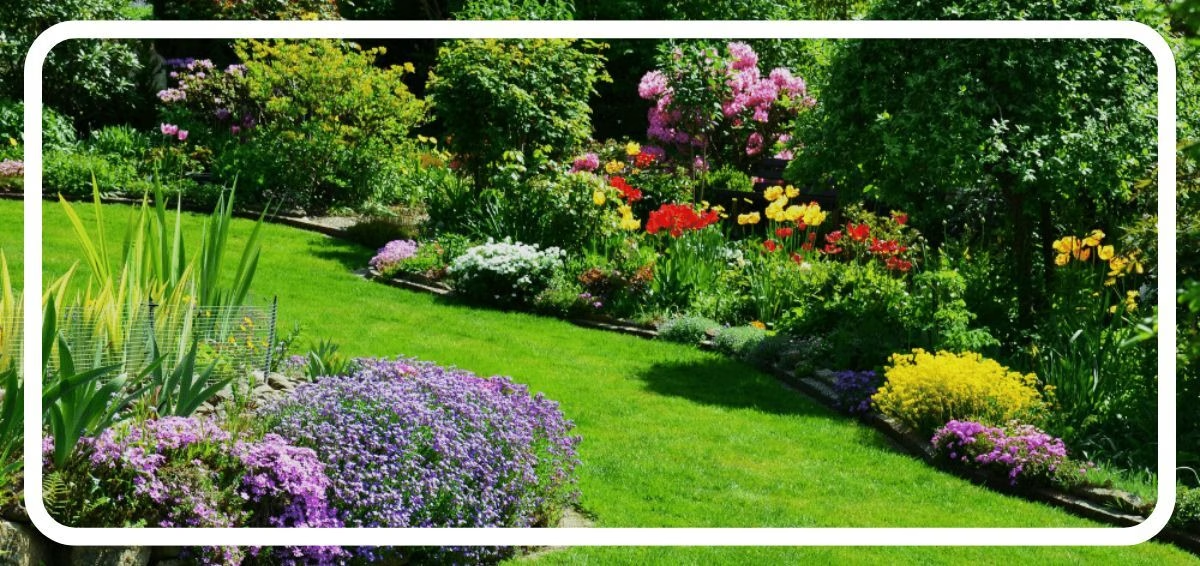
Contact Lifestyle Landscaping to request an expert consultation today. We’ll help you restore your landscape’s health and prepare a protection strategy for next winter.
Frequently Asked Questions
Can plants recover from salt damage?
Yes, many plants recover if the damage isn’t severe. Flush the soil thoroughly in spring, prune dead branches, and monitor new growth. Recovery typically takes one growing season.
Is pet-safe ice melt also plant-safe?
Not always. Many pet-safe products still contain salts that damage plants. Check the ingredients. Look for calcium magnesium acetate (CMA) or urea-based products for both pet and plant safety.
How do I know if my soil has too much salt?
White crusty deposits on the soil surface indicate salt buildup. You can also get a soil test from your local extension office. They’ll measure sodium levels and recommend treatment.
Will mulch protect plants from salt?
Mulch provides some protection by absorbing salt spray before it reaches plant roots. Apply 2-3 inches of organic mulch around vulnerable plants each fall. It won’t eliminate damage but reduces severity.