
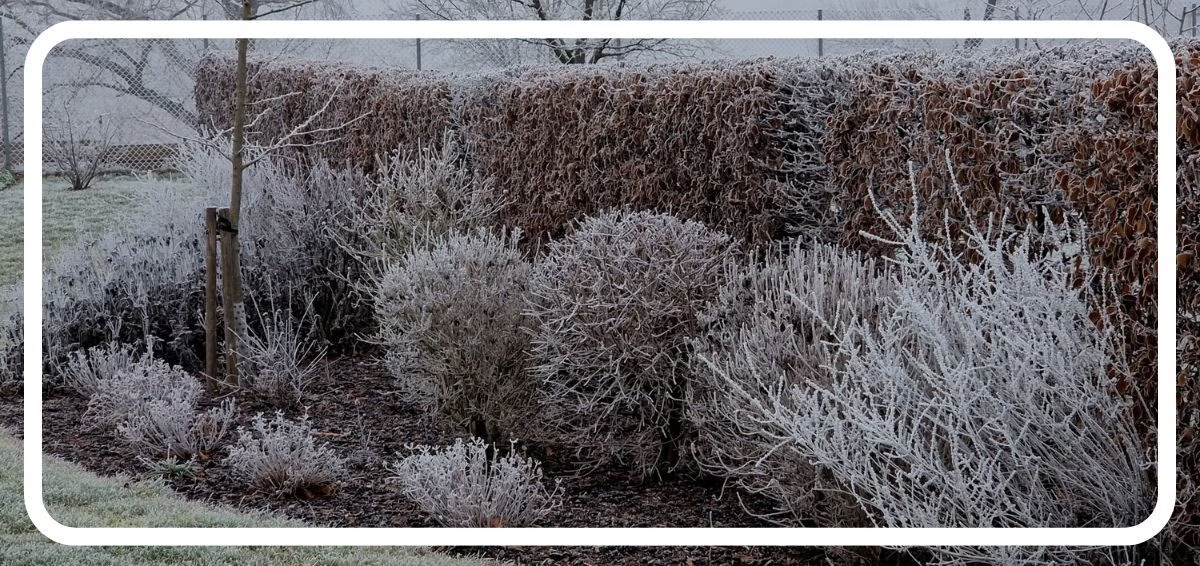
When winter hits Northeast Ohio, it can feel like landscaping season is over. In reality, this is one of the best times to prune many trees and shrubs. Dormant pruning, sometimes called winter pruning, is done while plants are not actively growing. With leaves off and branches fully visible, it is easier to make clean, thoughtful cuts that improve shape, remove problem growth, and set your landscape up for healthier spring growth.
Key Takeaways
Dormant pruning is trimming trees and shrubs while they are not actively growing, typically during the colder months in Northeast Ohio. With leaves off and pest activity lower, it is easier to spot structural issues, remove hazards, and set plants up for healthier spring growth.
Why Dormant Pruning Matters In Northeast Ohio
Winter pruning is an important, practical step to improving your plants’ health. Our local conditions make it a smart window to address problems while they’re clearly visible.
Key benefits homeowners notice include:
- Better visibility of the branch structure. With leaves off, it is easier to identify dead wood, rubbing branches, weak unions, and overgrowth near roofs, driveways, and walkways.
- Lower pest and disease activity. Many common issues are less active in colder temperatures, reducing the risk of spreading problems during pruning.
- Winter Storm prep. Removing heavy, compromised, or overextended limbs helps reduce breakage during snow and ice events.
- Less lawn disruption. When the ground is frozen, crews can often move more efficiently without creating ruts or muddy damage.
- Cleaner spring growth. Strategic cuts can improve shape, airflow, and long-term structure.
Want more information about what winter pruning can do for your property? Read our Winter Pruning Tips for Northeast Ohio.
Which Plants Benefit Most From Dormant Pruning
Not every plant should be cut in winter, but many trees and shrubs respond very well when pruned during dormancy.
Great Candidates For Dormant Pruning
- Oaks and elms. Dormant season pruning is commonly recommended for these species because disease and insect activity are generally lower in winter.
- Maples and birches. Winter pruning can help reduce the bleeding sap effect you may see in warmer seasons.
- Fruit trees such as apple and pear. Dormant pruning is a standard approach for shaping and productivity.
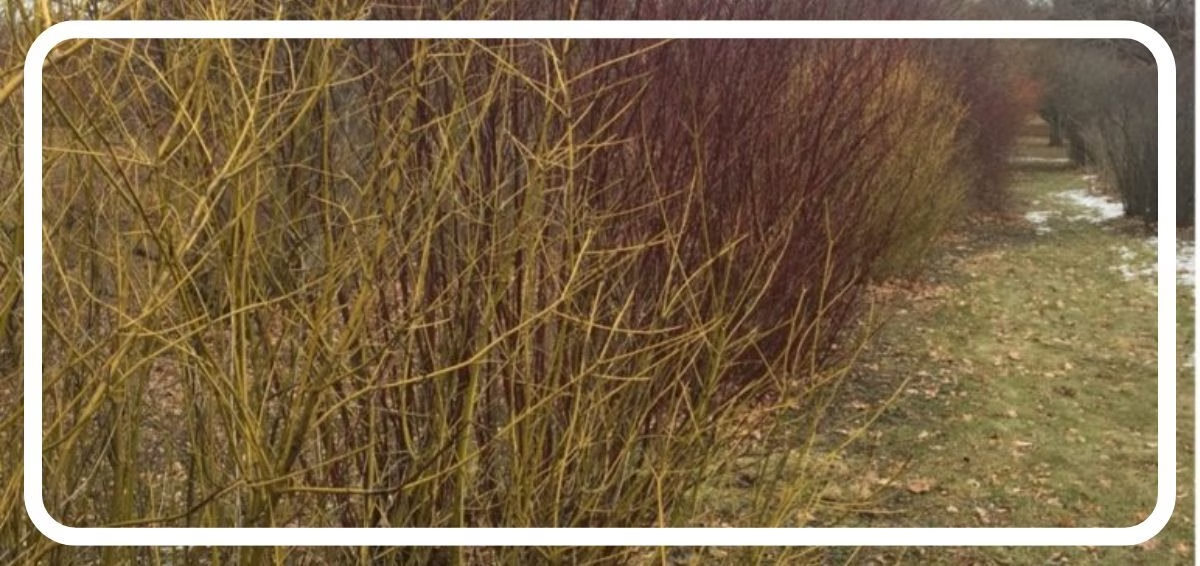
- Overgrown deciduous shrubs. Many multi-stem shrubs benefit from selective thinning or rejuvenation pruning when done correctly.
Plants To Avoid Pruning Heavily In Winter
- Spring-flowering shrubs like forsythia, rhododendron, azalea, and some hydrangeas, depending on the type. These often bloom on old wood, and heavy winter pruning can remove flowers before spring.
What To Expect During A Dormant Pruning Appointment
From the first conversation to final cleanup, your pruning service appointment should stay organized, clear, and safety-focused.
Before We Arrive
A few small steps can make the visit smoother:
- Clear access to the driveway and main work areas.
- Secure pets, especially if gates will be opened.
- Move vehicles away from areas beneath tree canopies if possible.
- Note any concerns such as hanging limbs, branches over the roof, or visibility at the street.
When The Crew Arrives
You should expect the team to:
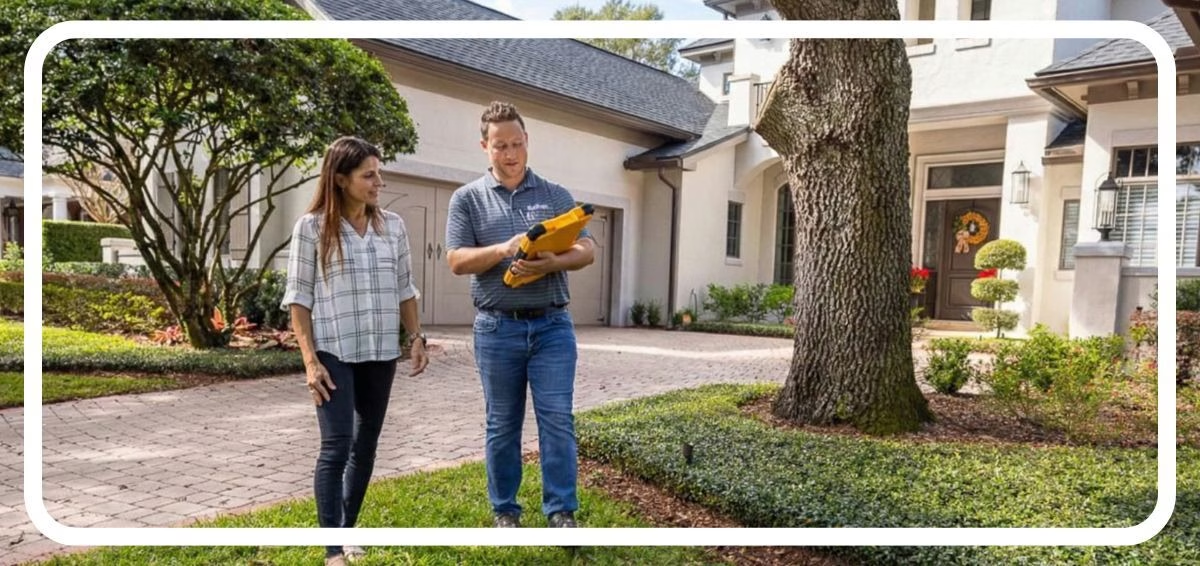
- Confirm the scope of work and walk the property with you.
- Identify priorities, such as safety hazards, structural issues, and clearance around the home.
- Point out any issues that may affect the plan, such as weak unions, decay, or storm damage.
The Assessment
A good dormant pruning assessment typically focuses on:
- Dead, damaged, or diseased wood (the three D’s).
- Structural problems like crossing limbs, rubbing branches, and weak attachments.
- Clearance needs near roofs, gutters, service lines, driveways, and sidewalks.
- Overall form and long-term growth to reduce future storm breakage.
The Pruning Work
Professional crews use the right tools for the right cuts, such as hand pruners and loppers for smaller wood, saws and pole saws for reach, and chainsaws or bucket trucks when safety and access require it.
What matters most is the quality of the cut and the plan behind it. Proper cuts are made carefully to support plant recovery and reduce stress.
Cleanup And Final Walk-through
At the end of a service, you can expect:
- Complete debris removal from the property.
- A quick walkthrough to show what was done and why.
- Practical next steps, including what to watch for in spring and when to schedule follow-up care.
What We Do Not Do, And Why It Matters
Homeowners should feel confident that pruning is being done for long-term health, not quick aesthetics.
- We avoid harmful practices like topping, which can cause weak regrowth and long-term problems.
- We do not over-thin or remove too much live canopy at once.
- If something requires additional steps such as removal, specialty access, or municipal guidance, we will explain options clearly.
Ready To Schedule Winter Pruning?
Dormant pruning is one of the smartest ways to protect your Northeast Ohio landscape before spring. Addressing weak limbs, improving structure, and cleaning up problem growth now helps your property stay safer through winter weather and sets your trees and shrubs up for a healthier growing season.
If you want a team that understands Northeast Ohio conditions and prunes with long-term plant health in mind, Lifestyle Landscaping is here to help. Our garden maintenance services are built to keep your landscape looking its best year-round, with professional pruning that is thoughtful, clean, and done correctly. Contact us today and let’s get your landscape ready for spring!
Frequently Asked Questions about Dormant Pruning In Northeast Ohio
What is dormant pruning?
Dormant pruning is trimming trees and shrubs when they are not actively growing, usually in winter. This makes branch structure easier to see and helps reduce storm risk before spring growth begins.
When is the best time to schedule dormant pruning in Northeast Ohio?
Most homeowners schedule during the cold months when plants are dormant. Exact timing depends on weather patterns and your specific species, goals, and property conditions.
Can you prune oaks and elms in winter in Ohio?
Yes. Winter is commonly recommended for oaks and elms because disease and insect activity are generally lower during dormancy.
Will winter pruning hurt my trees and shrubs?
When done correctly, dormant pruning supports structure and reduces risk. The key is correct timing for the species and avoiding excessive removal of live growth.
How long does an appointment usually take?
Many pruning visits take 1 to 3 hours, depending on the number of plants, their size, and complexity. Larger trees may require specialized access for safety.
How much does dormant pruning cost?
Pricing depends on plant size, complexity, and access. If winter conditions are favorable, scheduling can be efficient, but estimates are always based on your property and goals.