
Knowing when to prune spring-flowering shrubs in Northeast Ohio is one of the most important things a homeowner can do for next year’s garden. If your forsythia, lilac, rhododendron, azalea, or viburnum has finished blooming, you have a narrow window to prune it. That window is open right now in June, and it will close soon. Wait too long, and you will not lose any leaves; you will lose next spring’s flowers.
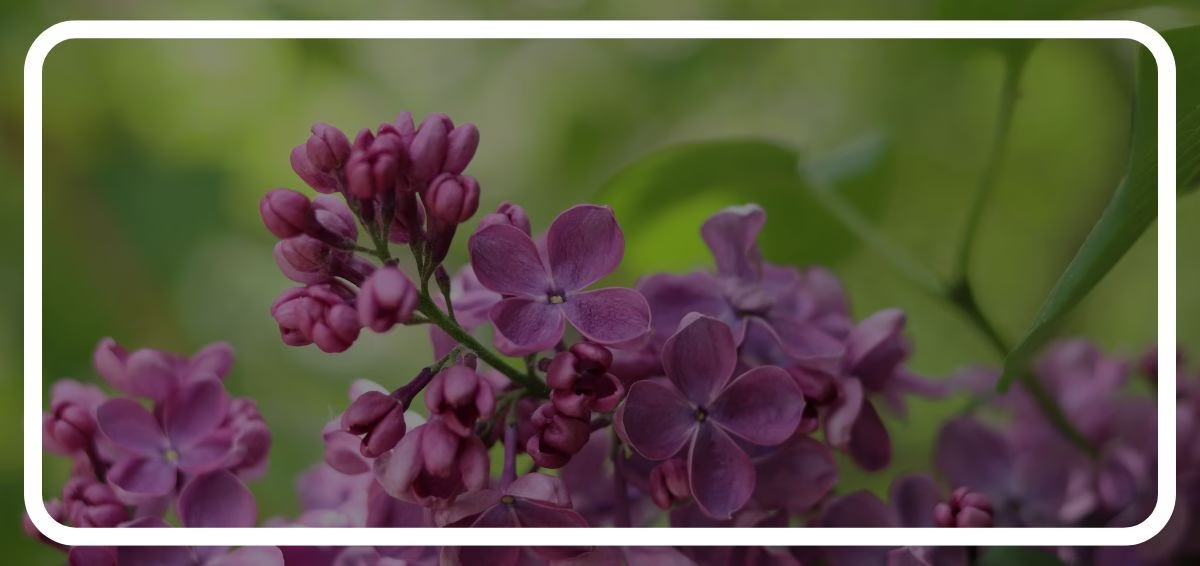
These plants are called old-wood bloomers, meaning the flower buds that will open next April and May are forming right now on this summer’s new growth. Prune after those buds have set, and you remove them before they ever open. This article covers which shrubs follow this rule, the precise pruning window for each one in Northeast Ohio’s Zone 6 climate, how to prune each correctly, and the single most common mistake that explains why so many spring-flowering shrubs in Northeast Ohio go a full season without blooming.
Key Takeaways
- Spring-flowering shrubs like forsythia, lilac, rhododendron, azalea, and viburnum bloom on old wood. They set next year’s flower buds on this summer’s new growth.
- The pruning window in Northeast Ohio is late May through mid-June. It is closing now. Pruning after mid-July risks cutting off buds that are already forming.
- Fall or late-summer pruning of these shrubs removes next year’s flower buds. This is the most common reason Northeast Ohio shrubs skip a bloom year.
- Each species has a different approach: forsythia and lilac benefit from renewal pruning (removing the oldest canes at the base), while rhododendrons and azaleas need a lighter hand.
- If your shrubs bloomed poorly this spring, late-summer or fall pruning last year is almost certainly why.
- Crews without horticultural training prune on a calendar schedule, not a plant biology schedule. This distinction matters every spring.
Old Wood vs. New Wood
The most important thing to understand about spring-flowering shrubs is that they plan a year ahead. As soon as a forsythia finishes blooming and pushes out new leaves, its branches begin building the flower buds that will open next March. As soon as a lilac drops its spent blooms, new growth is already preparing to carry next May’s flowers. The plant is always working one season ahead.
This biological sequence is the reason timing matters so much. The sequence goes: bloom fades, new growth emerges, flower buds begin forming on new wood in mid-to-late summer, those buds overwinter, and they open next spring. If you prune after the buds have set and hardened, they are gone. The plant will be perfectly healthy. It simply will not bloom.
In Zone 6, Northeast Ohio, this matters more than it does in warmer zones. Our growing season is compressed between the last frost (typically late April) and the first hard freeze (October or November). These shrubs have a shorter window to push new growth and set buds before they go dormant. That compression makes the June pruning window genuinely narrow. In warmer climates, a gardener who prunes a lilac in early July may get away with it. Here, that same cut is more likely to cost them next year’s flowers.
The practical rule is simple. Prune as soon as blooms fade and new leaves emerge. Every week you wait past mid-June is a week closer to cutting off the buds your shrubs are quietly building right now.
Summer Pruning Calendar for Northeast Ohio: Species by Species
Forsythia
Forsythia is the earliest bloomer in most Northeast Ohio gardens, typically putting on its yellow display in late March through April. By the time the forsythia finishes blooming, some homeowners are barely past their snow shovels. But that is exactly when the pruning clock starts.

The window for forsythia in Northeast Ohio is late April through mid-June. The technique matters as much as the timing. The instinct for many homeowners is to shear the top of the shrub into a rounded shape. This kills flower production because it removes the long, arching branches that carry next year’s buds. It also produces that boxy, almost flowerless “meatball” look that is common in Northeast Ohio neighborhoods.
The correct approach is renewal pruning: remove one-third of the oldest, thickest canes at the base of the plant each year, cutting them all the way to the ground. This opens the plant’s interior to air and light, encourages vigorous new flowering wood, and maintains the natural, arching form forsythia is meant to have. The University of Illinois Extension recommends removing one-third of older branches every few years within the two weeks following flowering — the same renewal approach that produces the best results in Northeast Ohio gardens.
Lilac
Lilacs bloom in May in Northeast Ohio, and they are one of the most beloved shrubs in the region. They are also one of the most frequently pruned incorrectly.
The window for lilac pruning is immediately after bloom fades, ideally within two weeks, through mid-June. OSU Extension advises pruning lilacs directly after flowering and deadheading down to a pair of leaves to encourage good bud development for the following spring. Waiting until August or September is one of the clearest paths to a bloomless spring.

For a healthy, regularly pruned lilac, deadhead the spent flower clusters by cutting just above the new bud whorls forming at the base of each stem. Then remove one-third of the oldest, woodiest canes at the base. This is the same renewal approach as forsythia. It keeps the plant rejuvenated, opens the interior to airflow, and matters especially in Northeast Ohio because lilacs are susceptible to powdery mildew in our humid summers. More airflow through the canopy means less disease pressure.
For severely neglected lilacs that have not been pruned in years, consider a phased renewal over three seasons rather than removing everything at once.
Rhododendron and Azalea
Rhododendrons and azaleas bloom in May through early June in Northeast Ohio, and they demand a lighter touch than forsythia or lilac.
The pruning window closes earlier for these plants. Because they set buds quickly after flowering, late June is the outer limit in Zone 6. After that, buds begin hardening in preparation for next spring, and any cuts risk taking them with it.
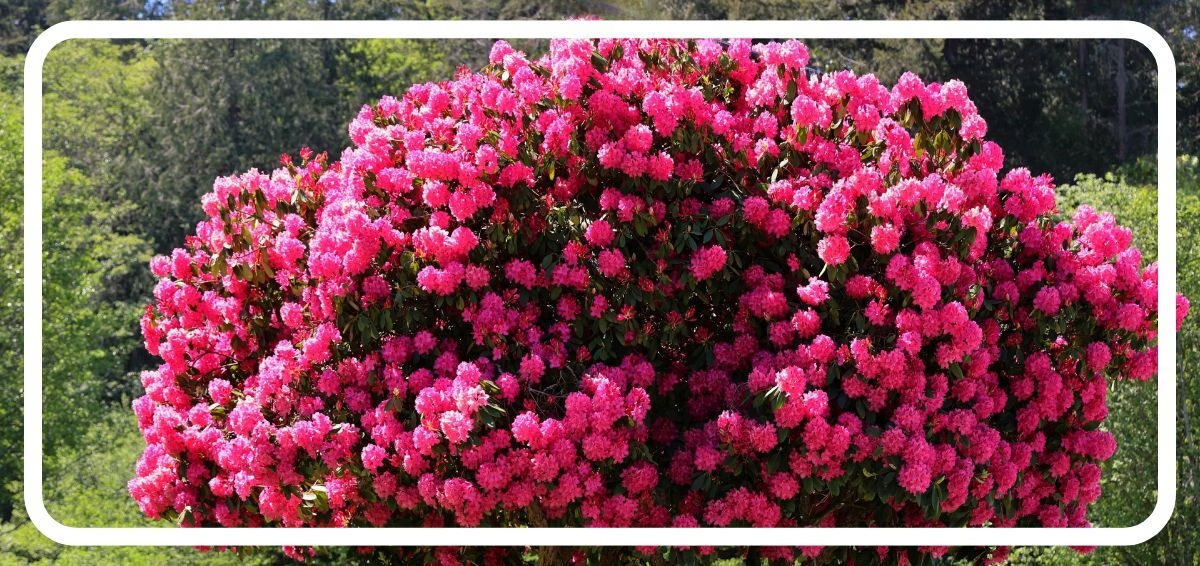
Deadhead spent blooms by grasping the faded flower truss and snapping it cleanly just above the ring of new growth forming below it. Do not use pruning shears for deadheading rhododendrons. The snap method protects the new growth bud whorls that will carry next year’s flowers.
Deadhead spent blooms by grasping the faded flower truss and snapping it cleanly just above the ring of new growth forming below it. Do not use pruning shears for deadheading rhododendrons. The snap method protects the new growth bud whorls that will carry next year’s flowers.
Shape only if the plant has become leggy or has broken, crossing, or dead branches to remove. These plants rarely need heavy pruning. The goal is light maintenance of the structure, not a significant size reduction. A hard cut on a rhododendron in late June will survive, but it will cost you next spring’s bloom.
Viburnum
Viburnum blooms in May across most of Northeast Ohio and is one of the most versatile shrubs in the residential landscape, offering fragrant spring blooms, attractive summer foliage, and fall berries that feed birds into winter.
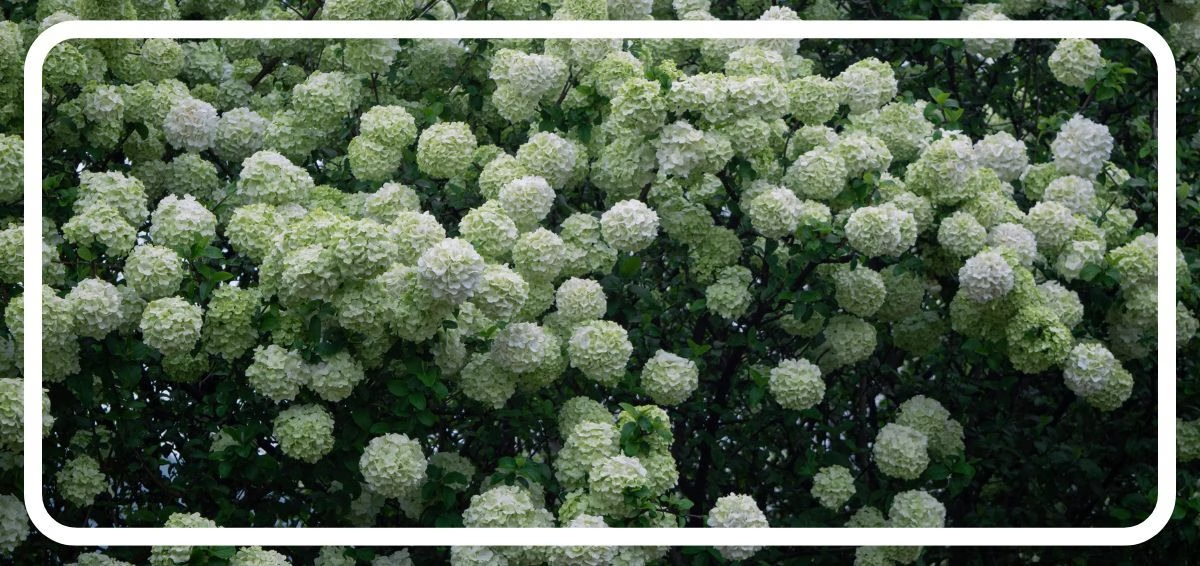
Prune after flowering, from late May through June. The technique is light shaping to maintain the plant’s natural form. Remove any dead, crossing, or rubbing branches, which create wound points that attract disease and insects. Viburnums rarely need heavy intervention. They tend to hold a graceful, natural habit when left mostly alone.
Weigela
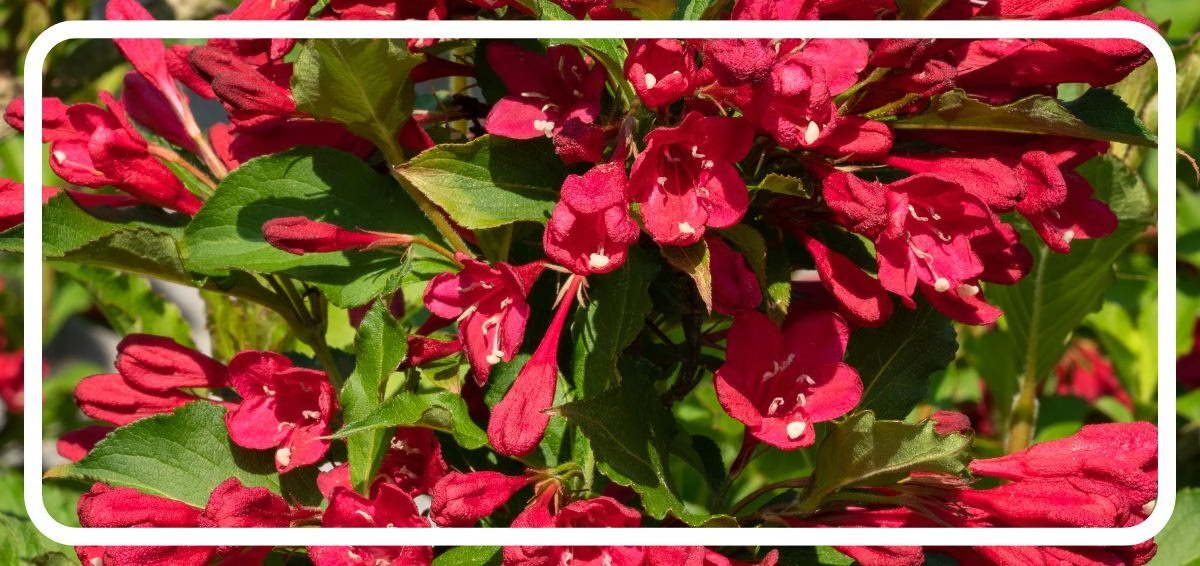
Weigela blooms May through June, often overlapping the tail end of the spring flowering season. Prune immediately after bloom fades, in mid-June. It can take a somewhat harder cut than rhododendrons and will often produce light reblooming on new wood later in summer. Cut spent flowering stems back to a strong lateral bud and remove any winter-damaged wood. A tidy weigela after its spring flush will often reward you with scattered blooms again in late summer.
The Mistake That Costs Homeowners a Full Season of Blooms
There is a pattern that plays out on Northeast Ohio properties every single year. A homeowner installs beautiful lilacs or a row of forsythia along the fence. The shrubs bloom magnificently for the first year or two, then a maintenance crew arrives in September or October for the fall cleanup and prunes everything back. The next spring, the forsythia leafs out. The lilac leafs out. Neither one blooms. The homeowner calls and asks what is wrong with the plants. Nothing is wrong with the plants. The buds were removed in the fall.
Most maintenance crews without horticultural training prune on a schedule. Fall cleanup happens in fall. Everything gets cut back in fall. The crew does not distinguish between old-wood bloomers that set buds in August and new-wood bloomers that can be pruned any time. The consequences show up five or six months later, in April, when the property that should be covered in yellow forsythia has nothing but leaves.
This is one of the most tangible differences between a knowledgeable garden maintenance program and a standard lawn crew. Our garden maintenance team is trained to know the specific plants on each property, when each one blooms, and what pruning window applies to each species. A lilac does not get touched in September. A forsythia does not get sheared into a ball in fall cleanup. This knowledge is built into every maintenance visit, not consulted after the damage is done.
For a broader look at pruning timing across all plant types on your property, see our complete pruning guide for Northeast Ohio homeowners.
What to Do If You’ve Already Missed the Window
Not everyone finds this article in May. If you are reading this in July or later, here is the honest answer.
If it is before mid-July, you can still remove dead, diseased, or crossing branches from spring-flowering shrubs without significant bud loss. Do not do any major shaping or size reduction. Focus only on structural corrections that cannot wait.
If it is after mid-July, put down the pruners. The buds are forming or have formed. Any significant pruning now will remove flower buds that are already on their way to next spring’s display. Wait until immediately after next year’s bloom and prune then, on the schedule described above.
You can often see the buds beginning to form by late July if you look closely at the new growth tips on forsythia and along the new stems on lilac. They appear as small, slightly swollen bumps at the nodes. Once you can see them, they are already counting on being there next April.
There is one exception. For shrubs that are severely overgrown, misshapen, or have gone unpruned for many years, some species, including forsythia and lilac, can tolerate a hard rejuvenation cut in late winter or early spring before the buds break. This sacrifices one bloom season but resets the plant’s structure entirely. It is a professional judgment call that accounts for the specific plant, its age, and its current condition.
Frequently Asked Questions
When is the best time to prune forsythia in Ohio?
The best time to prune forsythia in Ohio is late April through mid-June, immediately after the shrub finishes blooming. Forsythia blooms on old wood, so the flower buds for next spring begin forming on this summer’s new growth within weeks after blooming ends. Pruning after mid-July removes those developing buds. The correct technique is renewal pruning: remove one-third of the oldest canes at the base each year rather than shearing the top.
Can I prune my lilac in the fall in Northeast Ohio?
No. Pruning a lilac in fall in Northeast Ohio will remove the flower buds that have already formed on this summer’s new growth, and your lilac will not bloom the following spring. Lilacs are old-wood bloomers. OSU Extension recommends pruning lilacs immediately after flowering, typically in late May or early June in this region. Fall pruning should be limited to removing dead or damaged wood only.
Why didn’t my rhododendron bloom this year?
The most common reason a rhododendron fails to bloom in Northeast Ohio is that it was pruned at the wrong time. If your maintenance crew pruned it in late summer or fall, the flower buds that had already formed on the new growth were removed. Other causes include late frost damage to buds (common in Northeast Ohio’s unpredictable April weather), insufficient sunlight, or soil that is too alkaline for rhododendron’s preferred acidic conditions. If the plant leafed out normally but produced no flowers, timing is almost always the cause.
How do I know if my shrub blooms on old wood or on new?
Old-wood bloomers are almost always spring-flowering shrubs: forsythia, lilac, rhododendron, azalea, viburnum, weigela, and most others that flower before June. New-wood bloomers flower in summer and fall: panicle hydrangeas, smooth hydrangeas, spirea, potentilla, and most summer perennials. A general rule: if it blooms before the summer solstice, it almost certainly sets buds on old wood and should be pruned immediately after flowering. If it blooms in July or later, it can typically be pruned in spring without affecting that year’s flowers.
What shrubs can I prune in summer without losing blooms?
Summer-blooming shrubs that set buds on new wood can be pruned in spring or early summer without sacrificing that season’s flowers. These include panicle hydrangeas (Hydrangea paniculata), smooth hydrangeas (Hydrangea arborescens), spirea, potentilla, and butterfly bush. These plants push out flower buds on the current season’s growth, so a spring pruning actually encourages more vigorous new wood and better blooming. The key distinction is whether the shrub blooms before or after the summer solstice.
The Window is Open. Prune Now.
The June pruning window for spring-flowering shrubs in Northeast Ohio is open right now and will not stay open much longer. Pruning forsythia, lilac, rhododendron, azalea, and viburnum this month is one of the most direct ways to protect next spring’s display.
Knowing when to prune spring-flowering shrubs, and when not to, is exactly the kind of horticultural knowledge that separates a trained garden maintenance program from a crew on a calendar. If you want to make sure your landscape is being managed by people who understand the difference, our garden maintenance team would be glad to walk your property and show you what we see. Call Lifestyle Landscaping at (440) 353-0333 or visit our garden maintenance page to learn more about our approach.