
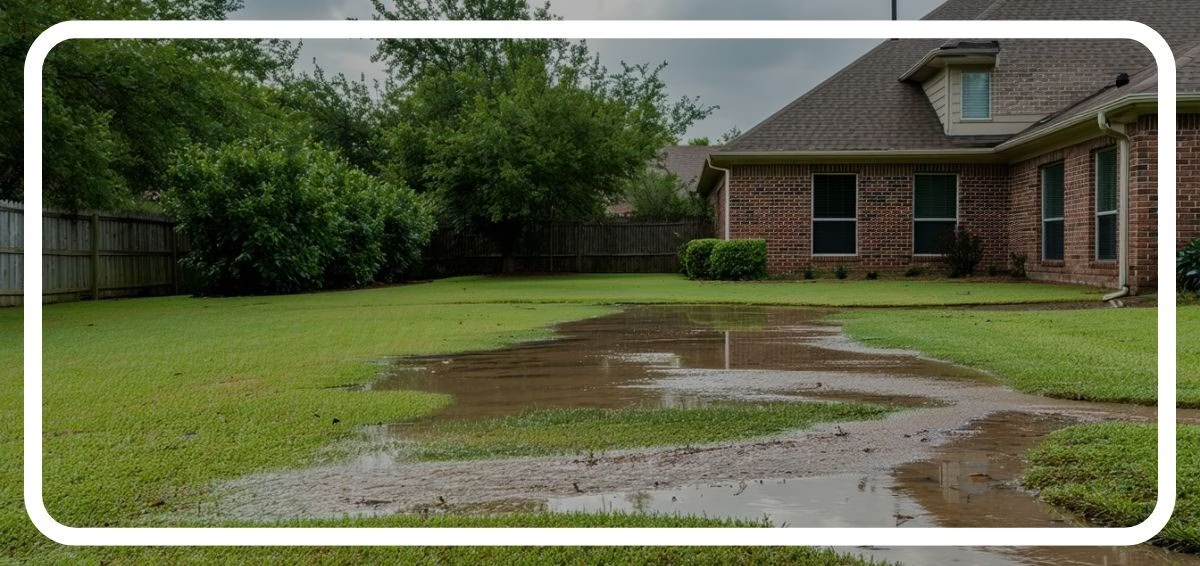
Your yard looks fine after a light rain. But when the storms hit, water pools near your foundation. Your mulch washes away. And that soggy patch by the driveway never seems to dry out.
These signs point to drainage problems.
Poor drainage damages more than your lawn. It threatens your home’s foundation, creates breeding grounds for mosquitoes, and kills your plants. The good news? You can spot these issues early and fix them before they become expensive disasters.
Lifestyle Landscaping, your local Northeast Ohio expert since 1976, has helped hundreds of homeowners protect their properties from water damage. Here’s what you need to know.
Why Drainage Matters in Northeast Ohio
Northeast Ohio presents unique challenges for homeowners. Our clay-heavy soils hold water like a sponge that’s already full. When you combine that with increasing precipitation patterns, old drainage systems struggle to keep up.
The numbers tell the story. Spending a few thousand dollars on yard drainage saves you tens of thousands in potential water damage, foundation repairs, and mold removal.
Foundation damage ranks as one of the most serious consequences of poor drainage. According to the American Society of Civil Engineers, hydrostatic pressure from inadequate drainage leads to dampness, mold, and structural damage.
7 Warning Signs Your Yard Has Drainage Problems
1. Standing Water After Rain
Water should drain within 24 hours of rainfall. If puddles stick around for days, you have a problem. Check areas near your foundation, in low spots, and around hardscaping.
2. Soggy or Spongy Soil
Walk your yard after a rain. Does the ground feel squishy under your feet? Soil that stays saturated damages plant roots and creates perfect conditions for fungal diseases.
3.Erosion and Soil Displacement
Look for channels where water has carved paths through your landscape. Exposed roots, washed-out mulch beds, and bare soil patches all signal erosion from poor drainage.
4. Foundation Cracks or Basement Moisture
Water pushing against your foundation creates hydrostatic pressure. This pressure causes cracks, leaks, and basement flooding. Check your foundation walls for new cracks or water stains.
5. Dying Plants in Specific Areas
Plants drowning in waterlogged soil show yellow leaves, wilting, and root rot. If certain areas of your landscape consistently lose plants, drainage issues are likely the cause.
6. Mold or Mildew on Exterior Walls
Green or black growth on your home’s exterior walls indicates moisture problems. This often starts where water splashes back from poor drainage near the foundation.
7. Mosquito Breeding Grounds
Standing water attracts mosquitoes. If you notice more mosquitoes in your yard, check for areas where water collects and sits.
How to Check your Yard’s Drainage
The Simple Water Test
Dig a hole about 12 inches deep and 12 inches wide. Fill it with water and let it drain completely. Fill it again and time how long it takes to drain.
Good drainage: Water drains in 1-3 hours
Moderate drainage: Water drains in 3-12 hours
Poor drainage: Water takes more than 12 hours
Watch Water Flow During Rain
Put on your rain boots and observe where water goes during a storm. Does it flow away from your house? Does it pool in certain areas? Take photos to document problem spots.
Check Your Gutters and Downspouts
Clogged gutters overflow and dump water right next to your foundation. Make sure downspouts direct water at least 6 feet away from your house.
Common Drainage Solutions that Work
Grading and Sloping
Your yard should slope away from your foundation at a rate of 1 inch per foot for the first 6 feet. Proper grading directs water away from your home naturally.
French Drains
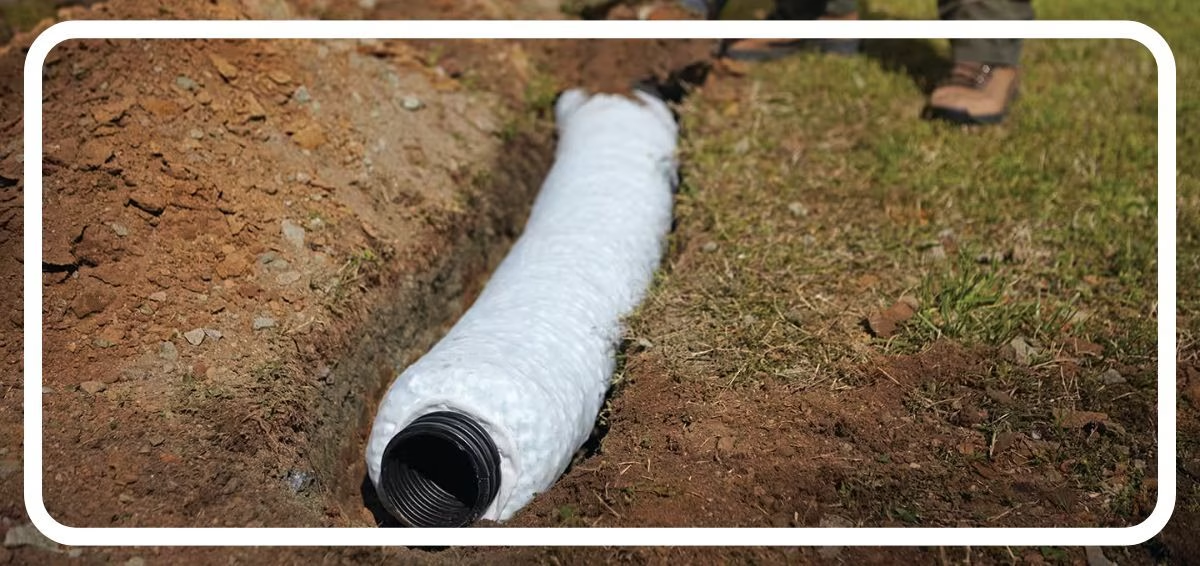
These underground systems collect and redirect water. A well-installed French drain lasts 30 to 40 years and protects your foundation from water damage.
French drains work by creating a path of least resistance for groundwater. They move water away from problem areas before it causes damage.
Swales and Channels
Shallow, vegetated channels guide surface water to appropriate drainage areas. Swales work well for managing runoff on slopes and directing water around structures.
Dry Creek Beds
These attractive features serve double duty. They handle drainage while adding visual interest to your landscape. Rocks and native plants line the channel to slow and filter water.
Rain Gardens
Strategic plantings in low areas absorb excess water. Native plants with deep root systems filter runoff and reduce standing water.
Catch Basins and Drains
These collect surface water and channel it to storm drains or appropriate discharge areas. They work well in driveways, patios, and other hardscaped areas.
When to Call a Professional
Some drainage problems need professional help. Contact a landscape expert if you notice:
- Water pooling within 10 feet of your foundation
- Basement flooding or moisture
- Severe erosion threatening structures
- Multiple problem areas across your property
- Previous DIY fixes that failed
This investment protects your home and increases your property value. Buyers appreciate well-functioning drainage systems that demonstrate proper property maintenance.
Protecting Your Investment
Your home represents your biggest investment. Poor drainage threatens that investment every time it rains.
The cost of fixing drainage problems now is much smaller than repairing foundation damage later. Foundation repairs run into tens of thousands of dollars. Mold remediation adds thousands more. And the stress of dealing with water damage in your home is invaluable.
Take action when you spot the warning signs, document problem areas, test your soil drainage, and get professional help for serious issues.
Ready to Solve Your Drainage Problems?
Lifestyle Landscaping has protected Northeast Ohio properties since 1976. Our team understands the unique challenges of clay soils and changing weather patterns in our region.
We assess your property, identify drainage issues, and recommend solutions that work for your specific situation. Our approach goes beyond quick fixes. We create drainage systems that protect your home for decades.
Contact Lifestyle Landscaping today a drainage consultation. We’ll walk your property, explain what we find, and give you a clear plan to protect your home and landscape.
Don’t wait until water damage forces your hand. Take control of your property’s drainage now.
Frequently Asked Questions
How do I know if my yard has poor drainage?
Look for standing water that lasts more than 24 hours after rain, soggy soil, erosion, dying plants in wet areas, and foundation moisture. The water test described above provides specific data on your soil’s drainage capacity.
What are French drains, and how do they work?
French drains are underground pipes surrounded by gravel that collect and redirect groundwater away from your home. Water flows into the gravel, enters the perforated pipe, and travels to a safe discharge point. They protect foundations and eliminate standing water.
How much does fixing drainage problems cost?
Basic solutions like regrading or extending downspouts cost a few hundred dollars. Complete drainage systems with French drains typically run $2,000 to $7,000. The investment saves you from foundation repairs that cost tens of thousands.
Can I fix drainage problems myself?
Simple fixes like cleaning gutters, extending downspouts, and adding soil to low spots work for minor issues. Complex problems near foundations, severe erosion, or basement moisture require professional assessment and installation.