Creating a beautiful, sustainable garden in Northeast Ohio means staying ahead of what’s working now while respecting the realities of our climate. As we head into 2026, homeowners across the Cleveland area are leaning into designs that prioritize resilience, sustainability, and outdoor spaces that look great (and function well) all year.
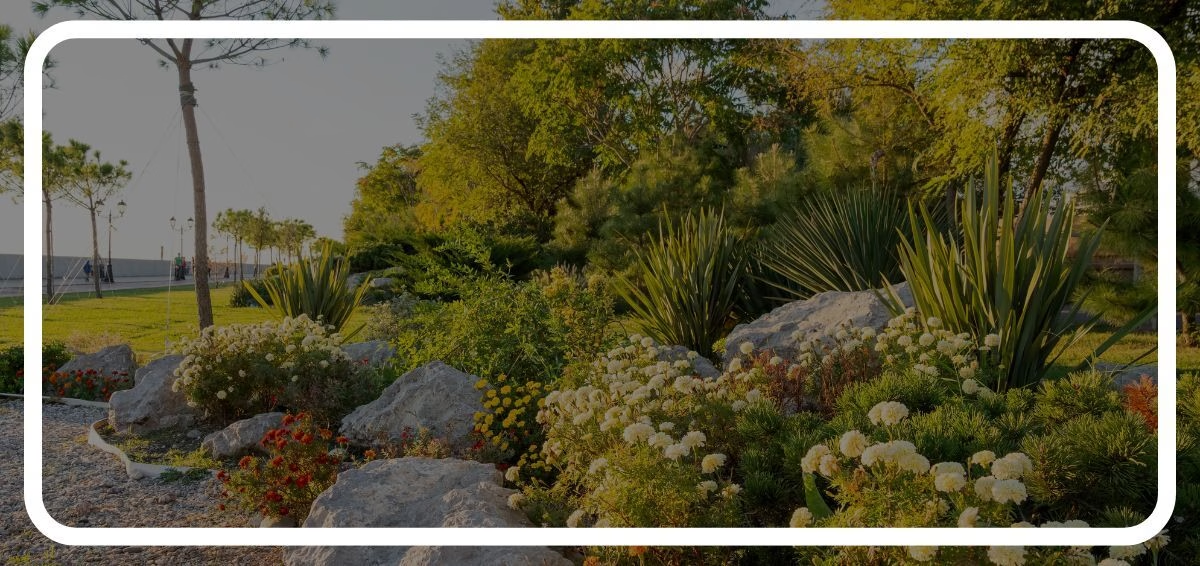
Whether you’re dealing with lake-effect snow, unpredictable spring weather, or summer heat waves, these garden trends are built for USDA zones 5a–6b. From smarter irrigation to stormwater-friendly features and low-maintenance upgrades, the focus is on working with our region’s conditions rather than fighting them.
What’s Driving These 2026 Garden Trends?
A few big factors are shaping where landscape design is headed:
- Climate resilience: Unpredictable swings from intense summer heat to harsh winters are pushing homeowners toward designs that can handle extremes.
- Environmental awareness: More people want landscapes that reduce waste, conserve resources, and support healthier outdoor ecosystems.
- Water conservation: Homeowners are paying closer attention to irrigation efficiency and smarter ways to manage rainfall.
- Work-from-home lifestyle: Outdoor living areas are becoming true extensions of the home, not just “nice to have.”
Edible Landscapes and Food Forests
One of the most noticeable shifts is the blurred line between ornamental and productive gardening. This approach integrates food production into an attractive, intentional landscape design that looks polished while giving you something you can harvest.
Food forest concepts are gaining traction in our area. These layered plantings mimic natural woodland systems and can include:
- Fruit trees that handle cold winters, like hardy apple and pear varieties
- Berry bushes that double as landscape shrubs, including blueberries and raspberries
- Herbs and vegetables tucked into existing beds alongside ornamentals
Companion planting strategies help maximize both beauty and productivity in these integrated spaces. Hot peppers, another popular “Year Of” plant category, fit right into edible landscaping, with varieties like Hungarian Hot Wax and Early Jalapeño performing well in our growing zone.
The key to success is starting small and building layers over time, allowing plants to establish while you learn what thrives in your yard’s microclimates.
Climate-Resilient Stormwater Management
With heavier rainfall events becoming more common, stormwater management is moving from “nice idea” to “must-have” for many properties. Today’s solutions go beyond basic drainage fixes and are being designed as beautiful, functional features.
Before implementing any stormwater solution, it’s smart to assess your property’s grading, drainage patterns, and soil conditions. Popular approaches include:
- Rain gardens filled with moisture-loving plants like Blue Flag Iris, Swamp Milkweed, and Fox Sedge
- Bioswales that direct water flow while filtering runoff
- Permeable hardscaping materials that allow water infiltration
- Dry creek beds that manage heavy flows while adding year-round visual interest
EPA rain garden guidance often recommends sizing rain gardens at roughly 20–30% of the drainage area they serve. Beyond managing water, these features can improve plant health and reduce stress on municipal systems.
Eco-Friendly Materials Revolution
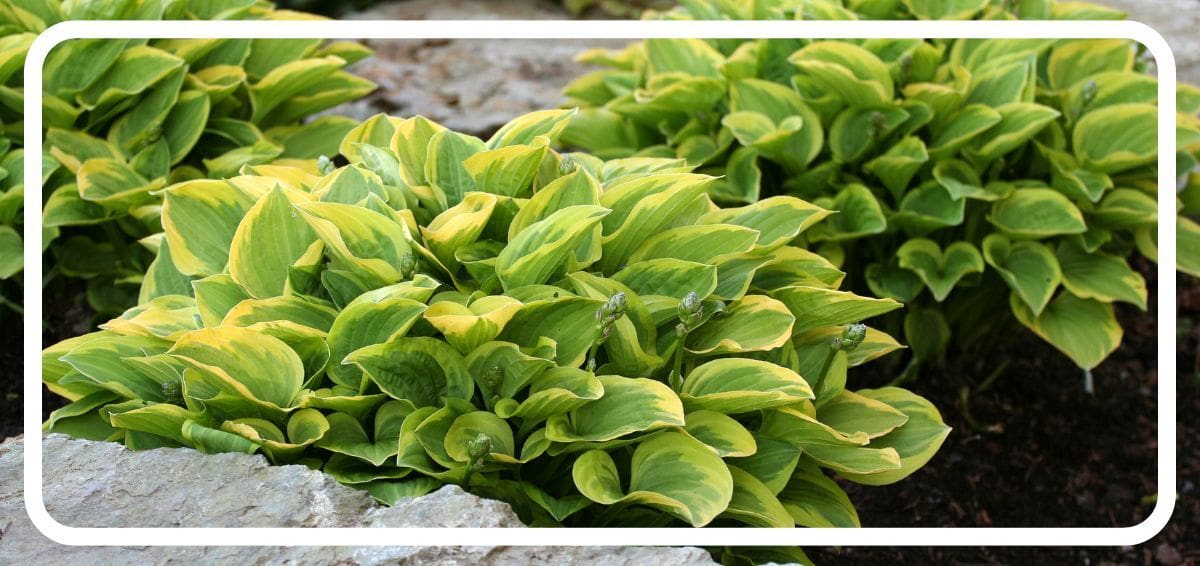
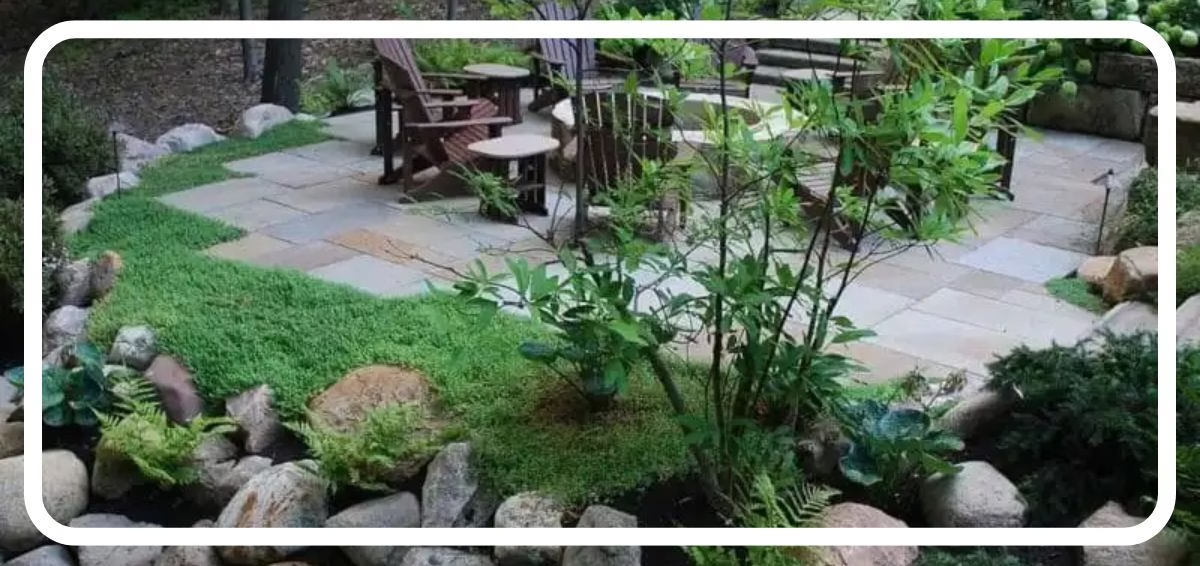
Sustainable materials are showing up more often, especially choices that fit our regional look and hold up through freeze-thaw cycles:
- Reclaimed wood for decks, fences, and garden structures
- Recycled composite materials that offer long-term durability
- Permeable pavers that reduce runoff while providing stable surfaces
- Natural stone options that age beautifully and complement Northeast Ohio homes
Many homeowners are also choosing locally sourced stone when possible. It complements our regional aesthetic and reduces transportation impacts, while still offering strength and longevity for patios, walkways, and retaining walls.
Low-Maintenance Water Features
Water features are trending toward simpler, cleaner designs that bring sound and movement to the landscape without a ton of upkeep. Popular options include:
- Pondless waterfalls that recirculate water without large exposed surfaces
- Rain chains that turn downspouts into visual features during storms
- Self-contained fountain vessels using minimal water and energy
- Bubbling rocks that offer a calming sound with minimal maintenance
Professional design and installation matters here, especially in Northeast Ohio. The right placement, proper drainage, and seasonal planning help protect systems from freeze damage and spring thaw issues, so the feature stays enjoyable, not stressful.
Native Plants and Pollinator-Friendly Additions
While full “pollinator garden” installs aren’t for everyone, many homeowners still want plants that are resilient, regionally appropriate, and supportive of local wildlife. Native and pollinator-friendly plants are increasingly being used as smart accents within a broader landscape plan, especially in sunny borders, naturalized areas, and mixed perennial beds.
Great choices for our region include:
- Black-eyed Susan (Rudbeckia hirta): drought-tolerant with late summer color
- Purple Coneflower (Echinacea purpurea): strong summer performance and long bloom time
- Cardinal Flower (Lobelia cardinalis): ideal for moist areas; attracts hummingbirds
- Ohio Spiderwort (Tradescantia ohiensis): early color and adaptability
According to the USDA Pollinator Garden Design Guide, native plants often require less maintenance once established, making them a practical option when used thoughtfully in the right spots.
Enhanced Outdoor Living Spaces
Outdoor living continues to evolve into true “outdoor rooms,” spaces designed for daily use, not just occasional entertaining. Current priorities include:
- Multi-functional layouts that work throughout the day and season
- Extended-season features like fire pits and covered areas
- Outdoor kitchens with materials that hold up through winter
- Wellness gardens with sensory plants, comfortable seating, and quiet zones
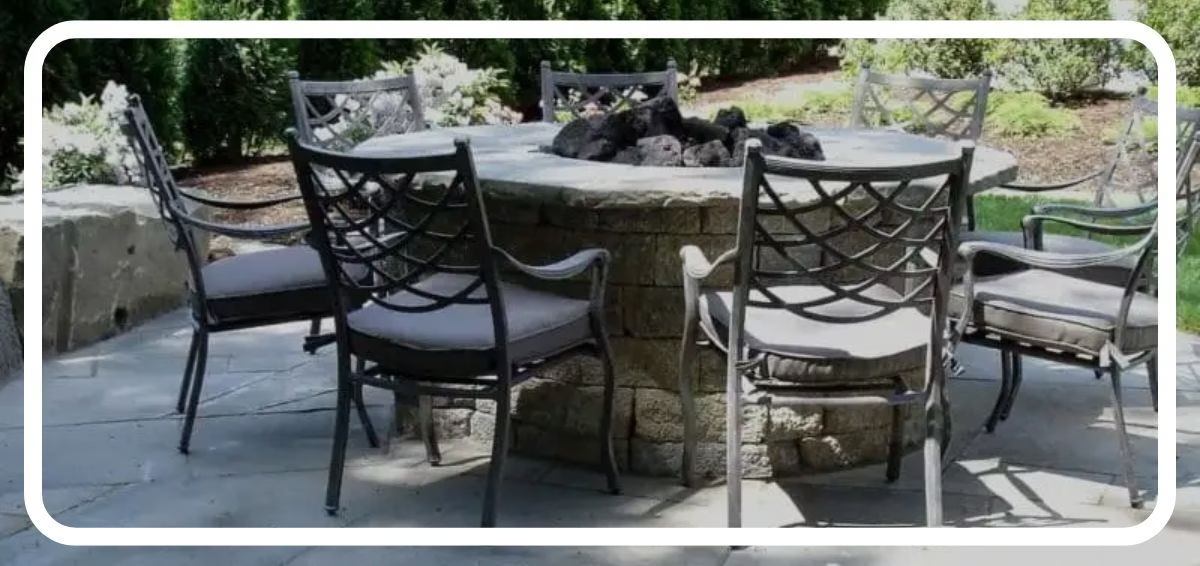
Thoughtful outdoor lighting plays a big role here, extending usability and creating ambiance during darker evenings, especially helpful during fall and winter when it gets dark early.
Smart Garden Technology Integration
Technology is becoming more user-friendly and more common in home landscapes, especially where it saves water and reduces guesswork:
- Soil sensors that track moisture and conditions
- App-controlled lighting for flexibility and energy savings
- Robotic mowers for consistent maintenance in select areas
- Weather-responsive irrigation systems that adjust automatically
In our region, smart irrigation can be especially useful during summer heat and dry stretches, while also helping prevent overwatering during wetter periods. A simple starting point is a weather-based controller, then building up from there.
The 2026 Color Palette: Faded Petal and Friends
Faded Petal, this year’s featured garden color, is a soft, dusty pink that adds calm, warmth, and a little nostalgia. It pairs especially well with:
- Rich greens from emerald to olive
- Hardscape tones like greige, taupe, and terracotta
- Accent colors like lavender and butter yellow
Perennials and seasonal color ideas that work well in this palette include:
- Hellebores for early-season interest
- Pink Hydrangea for summer impact
- Angelique Tulips for spring color
- Ivory Blush Roses for longer blooming windows
Quick-Action Plan for Northeast Ohio Homeowners
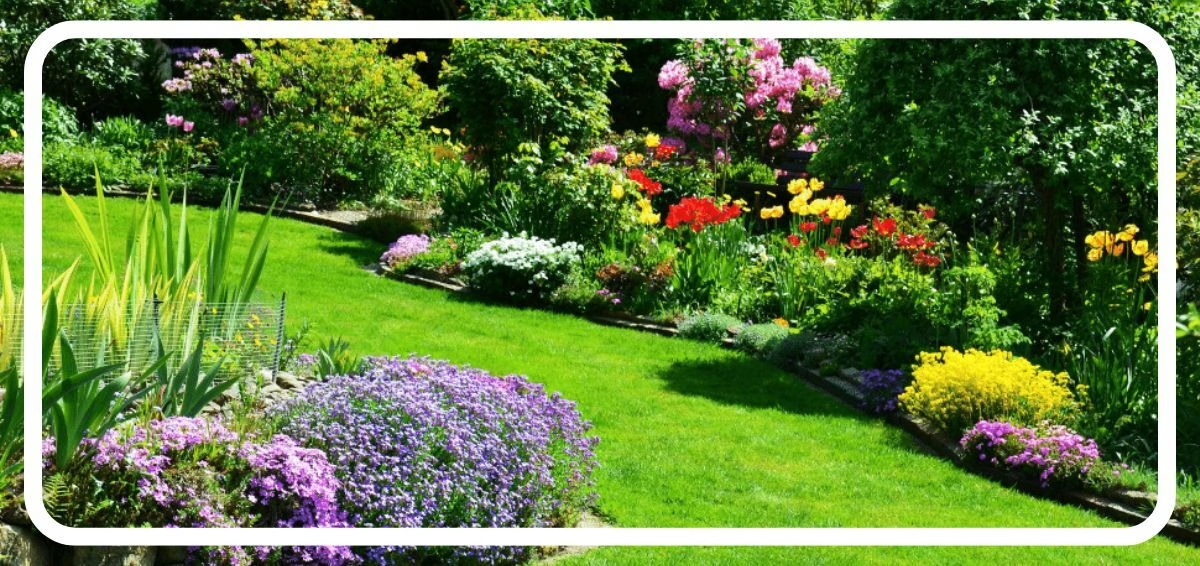
You don’t need a total renovation to adopt these ideas. Small improvements add up fast.
Spring (March–May):
- Plant early bulbs and cold-hardy perennials
- Install a basic smart irrigation controller
Summer (June–August):
- Add edible containers and seasonal color
- Implement simple stormwater solutions (like rain chains or small dry creek beds)
- Fine-tune watering based on plant performance
Fall (September–November):
- Plant trees and shrubs for long-term structure
- Install hardscaping and plan larger upgrades for next season
Small projects, like refreshing beds, improving irrigation, adding lighting, or installing a low-maintenance water feature, can make a big visual impact without taking on too much all at once.
Creating a Resilient Northeast Ohio Garden
These trends represent a shift toward landscapes that work smarter: designs that respect the climate, conserve resources, and create outdoor spaces that look great in every season. Many of these aren’t “fads”; they’re practical responses to how homeowners live now and to what our weather demands.
Ready to transform your landscape with a plan that fits your property and lifestyle? Lifestyle Landscaping brings local expertise, four-season design thinking, and experienced installation teams to help you create a space that’s beautiful, functional, and built to last. Contact us today to plan your spring landscape project.