

TL;DR – Quick Takeaways for Northeast Ohio Homeowners
- The best time for major pruning is late winter/very early spring, while plants are dormant, usually late February through March in zone 6.
- Dormant pruning helps prevent diseases, stimulates healthy spring growth, improves structure, and allows easier access.
- Prioritize fruit trees, disease-prone species (like apples, oaks, and elms), roses, and shrubs that flower on new wood.
- Avoid pruning spring-flowering shrubs or “bleeder” trees (maples, birches) in late winter, or you’ll lose blooms or cause stress.
- Never remove more than 1/3 of a woody plant in a season. Use sharp, clean tools for every cut.
- For expert, safe, and beautiful results, call Lifestyle Landscaping before the buds swell this spring!
Introduction: Why Winter Pruning Matters More for Northeast Ohio Gardens
As the snow settles across Cuyahoga and surrounding counties, and your garden seems to slumber, it’s easy to forget that this chilly “downtime” is one of the most powerful opportunities to shape your landscape. If you’re just waiting for spring to tackle unruly branches or storm-damaged shrubs, you may be missing out on a crucial window for plant health and beauty.
For homeowners in Northeast Ohio’s zone 6 climate, winter pruning or dormant pruning is much more than a seasonal chore; it’s a chance to prevent disease, encourage lush spring growth, and keep your garden safer, tidier, and more resilient. In this comprehensive guide, we’ll explore why late winter is the golden hour for pruning, which plants need attention now, and common mistakes to avoid. Whether you’re new to garden care or an experienced DIYer, you’ll find science-backed answers to the most common question: Should I prune my plants in the winter?
Understanding the Dormant Pruning Window in Northeast Ohio
What is Dormant or Winter Pruning?
Dormant pruning refers to cutting back trees and shrubs during their “resting” phase, after they’ve shed their leaves and before new growth appears in spring. In Northeast Ohio (USDA zone 6), this window usually hits its sweet spot from late February through March:
- After the coldest deep freezes have passed (temps above 28°F)
- Before new buds begin to swell and open
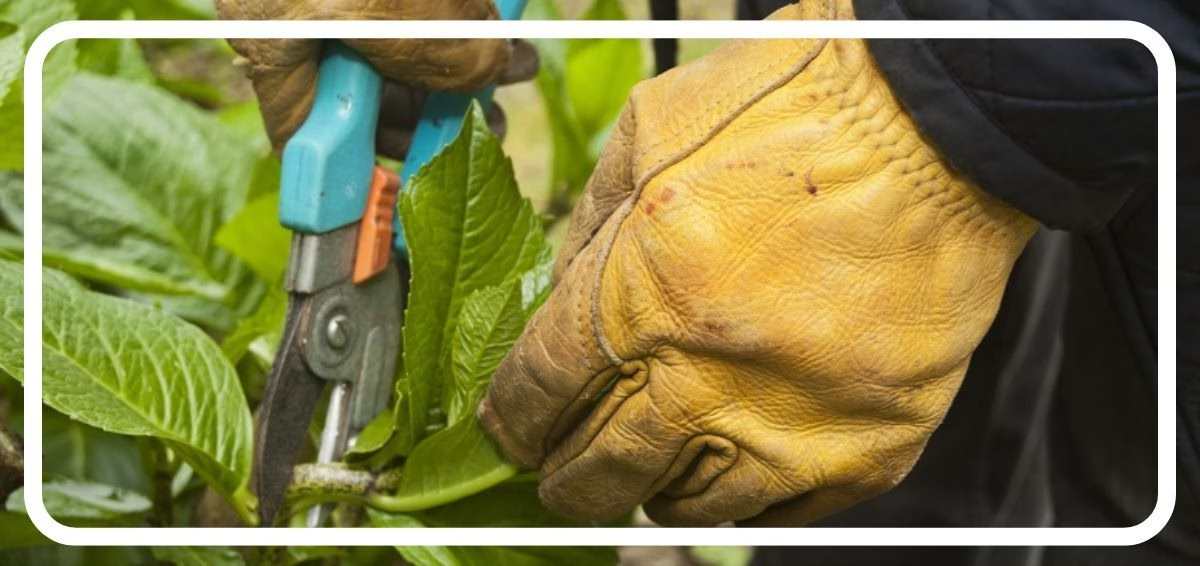
This is not just a matter of convenience. It’s when your winter pruning will have the biggest benefits for plant health!
Why Prune During Dormancy? The Science and The Practical Perks
1. Disease Prevention
Diseases like oak wilt, Dutch elm disease, and fire blight thrive in spring and summer. Pruning while trees are dormant means:
- Fungi and bacteria are less active or dormant themselves
- Insect vectors that spread disease aren’t present
- Cuts heal before disease pressure ramps up
According to the Arbor Day Foundation’s dormant pruning guide, this timing dramatically reduces the risk of disease transmission.
2. Stimulate Vigor and Future Growth
Removing unwanted or weak wood during dormancy sends the plant’s spring resources to the healthiest branches. Result: stronger growth, more flowers or fruit, and an improved shape.
3. Precision and Visibility
With leaves gone, the structure of trees and shrubs is clear. It’s easy to see damaged, rubbing, or crossing branches and shape the canopy more artfully (and safely).
4. Easy Access and Efficiency
Frozen or firm ground makes it easier (and less messy) to use ladders or equipment around your trees. There’s less risk of compacting wet, muddy soil or damaging turf.
Zone 6 Winter Pruning Timetable: When, Where, and How
Key Timing for Northeast Ohio (Zone 6)
- Best period: Late February through March, on mild, dry days
- Avoid: Pruning during deep freezes or right before a cold snap
Dormant Pruning Step-by-Step
After completing your fall lawn and garden cleanup, you’re ready to tackle dormant season pruning:
- Remove the “3 D’s” First: Dead, damaged, and diseased wood can be pruned anytime — start here
- Look for Unruly, Crossing, or Rubbing Branches: Improving airflow and reducing future wounds
- Shape for Structure: Enhance form, remove inward-growing or crowded stems
- Limit Your Cuts: Never remove more than 1/3 of total branches; over-pruning stresses plants
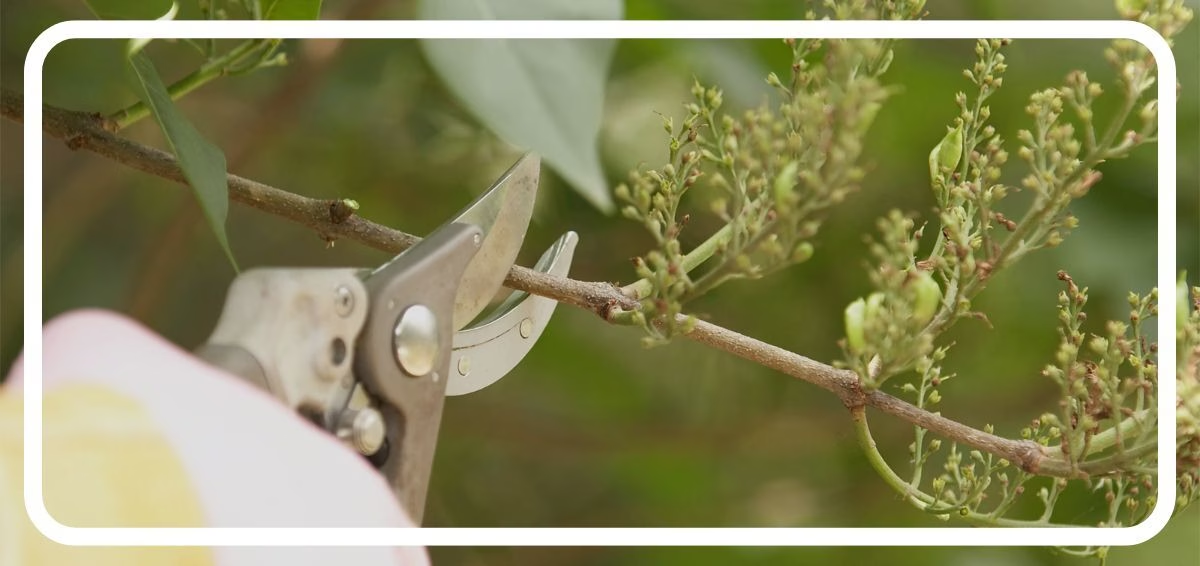
- Use Sharp, Clean Tools: Bypass pruners preferred. Disinfect tools between plants (1 part bleach + 9 parts water, or 70% alcohol) to prevent disease spread
Which Plants Should (and Shouldn’t) You Prune During Dormancy?
Understanding what to prune when is crucial for successful zone 6 winter pruning. For more detailed guidance, check out our comprehensive pruning plants beginner’s guide.
Perfect Candidates for Late Winter Pruning
Fruit and Nut Trees:
- Apples, pears, and quince absolutely thrive on dormant pruning
- Thins out the crown, opens the canopy, and improves fruit quality
Disease-Prone Trees:
- Oak (susceptible to oak wilt), Elm (Dutch elm disease), Hawthorn, Crabapple
- Dormant cuts protect from disease vectors
Dogwoods for Color:
- Red-twig and yellow-twig dogwoods are best cut down (“coppiced”) in late winter for brightly colored new stems
Summer-Flowering Shrubs (“New Wood” Bloomers):
- Panicle Hydrangea (Hydrangea paniculata)
- Smooth Hydrangea (Hydrangea arborescens)
- Summer Spirea (Spiraea japonica), Potentilla, Butterfly Bush, Summersweet
- Late winter pruning boosts the number and size of summer blooms
Repeat-Blooming Roses:
- Hybrid teas, floribundas, grandifloras, and modern shrub types can be cut back hard after the danger of a deep freeze has passed
What Not to Prune in Late Winter
Stone Fruits:
- Peaches, plums, cherries: wait for dry weather in spring/summer to prune. Winter cuts can increase fungal disease risk
“Bleeder” Trees:
- Late winter pruning leads to heavy sap flow. Wait until full leaf-out, or prune in early dormancy
- Maples, birches, walnuts, butternut, and hornbeam
Spring-Flowering “Old Wood” Shrubs:
- Lilac, forsythia, viburnum, mock orange, weigela
- They set buds in the summer before. Pruning now = no spring flowers!
- Prune immediately after blooming, instead
Northeast Ohio’s Unique Climate Considerations
Zone 6 winter pruning brings special quirks that affect timing and technique. Understanding these local conditions is as important as knowing how to properly winterize your garden.
- Lake-effect snow, freezing rain, and wild temperature swings can shift the timing year to year. Watch local forecasts, and wait until consistent daytime highs are above 28°F
- Soil compaction in wet late winter: Use boards or mats if you must work on soft ground
- Late “false springs” can trigger early budding. If this happens, wrap up pruning fast
- Storm damage: Check after each heavy snow or ice storm for new broken branches that need immediate removal
Common Winter Pruning Mistakes Northeast Ohio Homeowners Make
- Pruning too early in winter – Cuts made during deep freezes heal slowly and can invite damage or disease
- Ignoring tool cleanliness – Dirty or dull pruners introduce disease or produce rough wounds
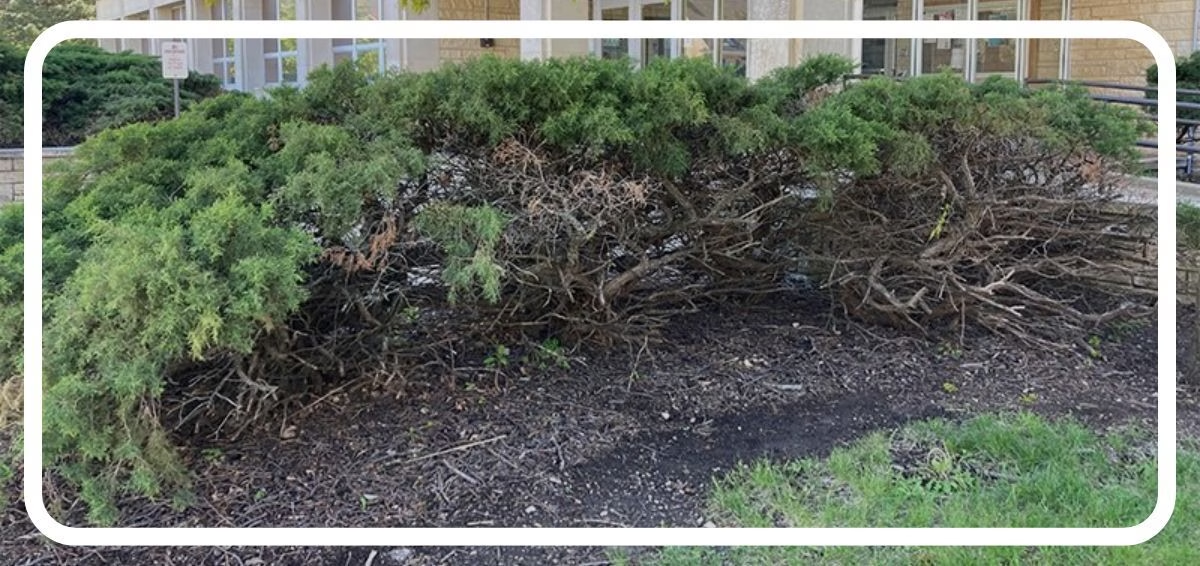
- Over-pruning– Never remove more than 1/3 of a plant in a single year
- Confusing bloom timing – Pruning spring-flowering shrubs at the wrong time means no blossoms
- Pruning right before a strong freeze – Fresh cuts can “burn” or split in sudden cold snaps
- Leaving stubs – Stubby branch endings heal poorly and promote disease or unattractive growth
- Neglecting safety – Ladder work or high branches can be risky; when in doubt, call a pro
Tips to Get the Most from Dormant Pruning in Your Garden
Professional landscape pruning in Northeast Ohio requires expertise and proper planning. Here are key strategies for success:
- Start small and observe. Even a few strategic cuts can drastically improve the health and appearance of major landscape trees
- Leave major jobs to professionals. Ladders, large limbs, and power tools require experience. An expert will spot hazards you might miss. Consider professional landscape design and installation services for comprehensive property care
- Keep a garden journal. Note when and how each plant is pruned. This is useful for future seasons
- Monitor plant health in spring. Watch for vigorous new growth and adjust your strategy next year
Consider a maintenance plan. Professional PlantCare services and maintenance ensure nothing gets missed and your investment stays protected.
Give Your Landscape a Healthy Head Start
Winter may look quiet in your garden, but it’s the most important time for setting you up for a thriving, beautiful spring. If you want to enjoy robust trees, vibrant blooms, and peace of mind, take advantage of the late winter dormant pruning window.
Not sure where to start? Pruning can be risky work, especially with large or valuable trees. The experts at Lifestyle Landscaping have decades of experience caring for Northeast Ohio gardens, from elegant shade trees to specialty flowering shrubs.
Contact Lifestyle Landscaping today for a dormant pruning assessment and let our award-winning team help your landscape reach its full potential. Request an expert consultation online or call us at (440) 353-0333.
Get ahead of spring and give your garden the healthy future it deserves!
Frequently Asked Questions: Winter Pruning in Northeast Ohio
Should I prune my plants in winter or wait until spring?
For most trees and shrubs that bloom on new wood or need structural improvement, late winter is the best time to prune. Spring-blooming shrubs, however, should wait until after flowering.
Isn’t it too cold to prune in February and March?
Costs vary depending on the project’s size and complexity, but most homeowners find that the investment pays off through increased property value and reduced maintenance expenses. Lifestyle Landscaping offers customized design plans to fit a range of budgets.
What about evergreens?
Most evergreens (like pines, spruces) need little or no dormant pruning. Wait until late spring for light shaping, if needed.
Can dormant pruning hurt my plants?
Not if done correctly! In fact, it’s the healthiest way to promote growth, safety, and beauty. Just avoid aggressive cuts or removing too much wood.
How do I know if a branch is dead?
Dead wood is brittle, often darker or gray, and will snap easily when bent. Scratch the bark – if the tissue beneath is brown instead of green, it’s likely dead.