
As the colorful leaves of fall start to blanket the ground in Northeast Ohio, it’s time for homeowners to shift their gardening focus from blooming beauty to strategic protection. If you want to winterize a garden in our region, planning ahead is essential. With cold snaps, wild freeze-thaw cycles, and unpredictable Lake Erie weather, your favorite plants face a tough test.
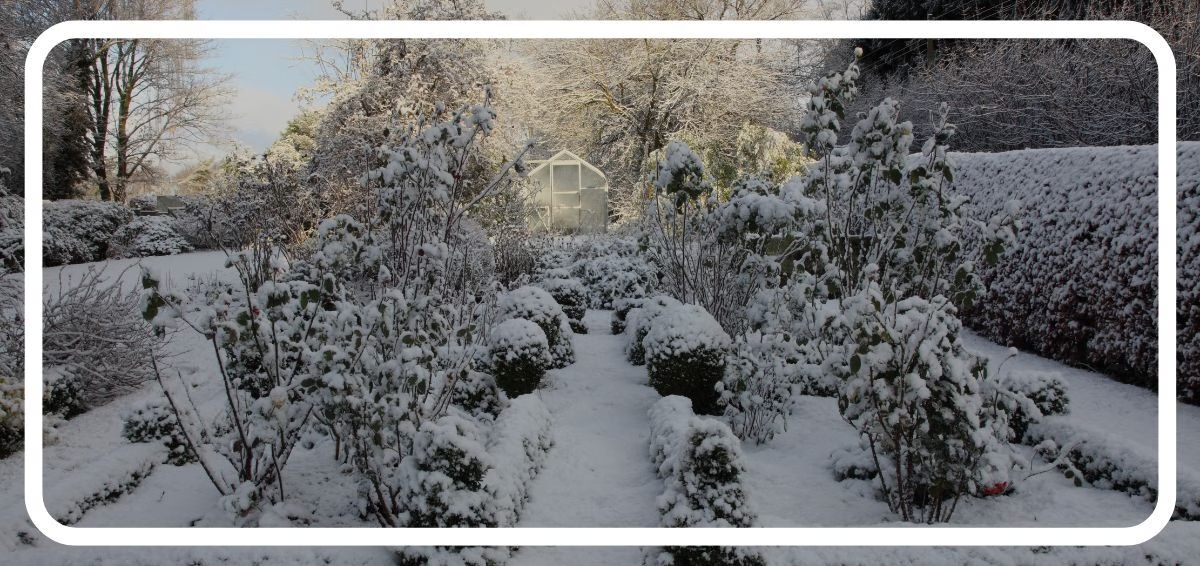
The good news? By following a few expert tips tailored for Northeast Ohio, including mulching, pruning, and garden infrastructure prep, you’ll protect your investment and set your landscape up for success come spring.
Understanding the Northeast Ohio Winter Challenge
Before we jump into hands-on winterizing tips, let’s look at what makes gardening here uniquely challenging. In Northeast Ohio, we deal with USDA hardiness zones 5 and 6, which means freezing temps are common, but what’s truly tricky are the rapid freeze-thaw cycles. These temperature swings, above freezing during the day, plunging back at night, can physically “heave” plants out of the soil and wreak havoc on their roots. Proper winterization isn’t just about protecting against cold. It’s about stabilizing soil temperature and preventing that damaging cycle.
Let’s look at how you can meet these regional challenges head-on.
Garden Cleanup: The Foundation of Winter Preparation
One of the most important tasks in winterizing your garden is a thorough late-fall cleanup. This isn’t just about tidiness. It reduces disease, limits overwintering pests, and sets the stage for a healthy, vibrant spring.
- Remove Diseased Plants and Debris: Pull and dispose of any plant material that shows signs of disease or severe pest infestation. Don’t compost it. Bag it and remove it from your property.
- Clear Vegetable Garden Remnants: Take out any unharvested crops and residue. These can harbor diseases and pests over winter.
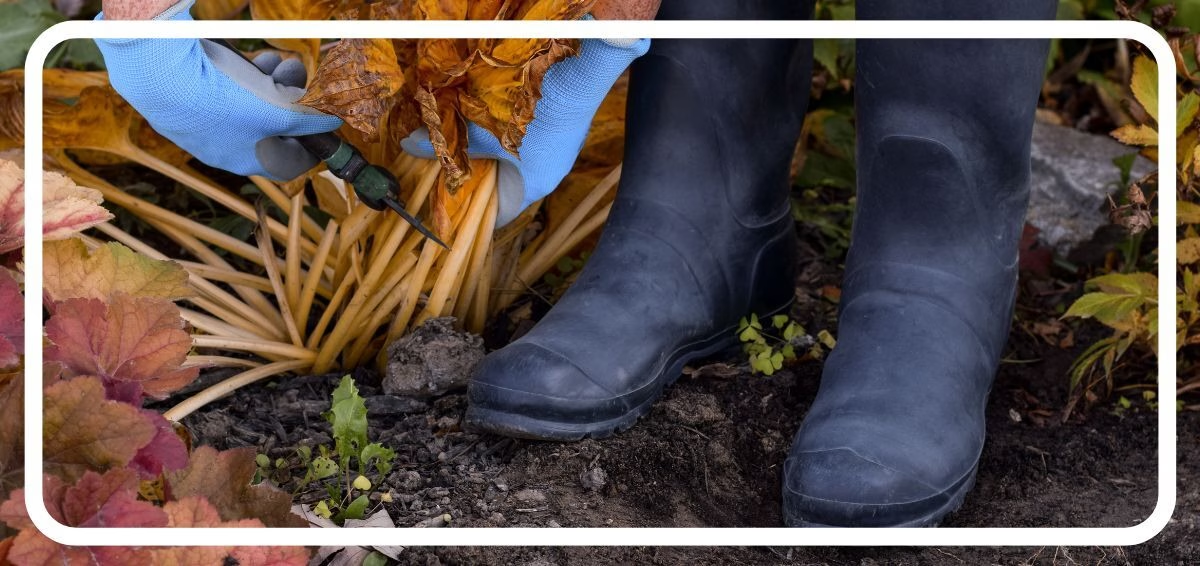
- Manage Weeds: Get rid of weeds before they set seed. If weeds are already starting to seed, toss them in the trash rather than the compost.
- Inspect for Pests: Carefully check for pests before the first hard frost and treat as needed.
For a detailed step-by-step, take a look at our fall lawn and garden cleanup checklist for all the essentials Northeast Ohio homeowners need.
Remember, it’s okay (and sometimes better!) to leave some ornamental grasses and healthy perennials standing for added winter interest and natural protection.
Strategic Pruning: What to Cut and What to Leave
Pruning is key, but don’t grab the shears too early or get too aggressive. For Northeast Ohio gardens, the right approach depends on your plant types:
- Minimal Fall Pruning: Only prune dead or damaged branches from deciduous trees and shrubs. Save bigger pruning jobs for late winter or early spring.
- Leave Some Perennials Intact: Dried stalks and flower heads can actually insulate roots and protect beneficial pollinators.
- Native Plant Habitat: Native perennials offer important winter shelter for insects.
- Ornamental Grasses: Let these stand until late winter for both interest and protection.
Many homeowners cut everything back in the fall because they think it looks ‘tidier,’ but they’re actually removing natural protection and destroying pollinator habitat. Nature has designed plants to protect themselves.
Curious about best pruning practices? Check out our guide to pruning plants in Northeast Ohio for the whens and hows.
Mulching: Your Garden’s Winter Blanket
Mulching is the star of Northeast Ohio winter garden care. A good thick blanket of mulch protects roots, keeps soil temperature stable, and helps to prevent that problematic freeze-thaw heaving.
- Best Timing: Apply mulch in late fall (around Thanksgiving or just before major snowfall).
- Right Depth: 2–4 inches over perennial beds, about 6 inches for newly planted trees and shrubs.
- Go Natural: Shredded leaves, wood chips, or straw work excellently and enrich the soil as they break down.
- Avoid Stem Rot: Keep mulch pulled away from stems and tree trunks.
- Vegetable Beds: If you won’t be planting a cover crop, mulch beds with compost, leaves, straw, or even shredded newspaper or cardboard.
This mulch layer not only insulates, but also reduces weed emergence and slowly adds nutrients over the long winter months.
Protecting Trees and Shrubs
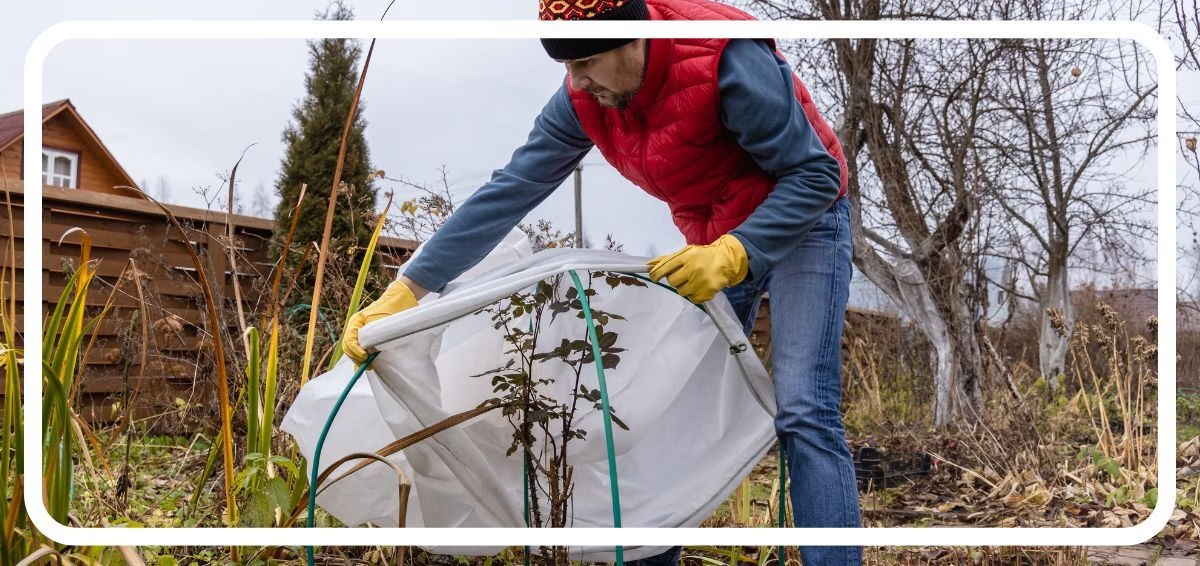
Young and newly planted trees and shrubs need extra TLC for winter:
- Wrap Young Trees: Use tree guards or hardware cloth to fend off rodents and wind.
- Set Up Windbreaks: Burlap screens work wonders for wind-exposed plants.
- Wrap Sensitive Shrubs: For those especially vulnerable, burlap can also help keep them healthy without trapping moisture.
- Use Anti-Desiccant Spray: Evergreens lose moisture even in winter, so an anti-desiccant can prevent browning and needle loss.
Winter sun and wind can be surprisingly damaging to plants, especially evergreens. They continue to lose moisture through their leaves in winter, but can’t replace it when the ground is frozen.
Caring for Tender Plants, Annuals, and Bulbs
Some plants just can’t tough out an Ohio winter, and need special treatment:
- Bring in Potted Plants: Anything sensitive or meant for warmer climates should come inside before nights drop below 40°F.
- Dig & Store Tender Bulbs: After the first good frost, dig up bulbs like dahlias, cannas, and gladiolus. Let them dry fully, then store in sawdust or peat moss.
- Plant Spring Bulbs: Get tulips, daffodils, and crocuses in the ground before the soil freezes.
- Mark Spots: Before perennials disappear, mark their locations for easy finding next spring.
Preparing the Soil for Spring Success
Don’t miss the opportunity to start preparing your soil for the next growing season.
- Test Your Soil: Fall is an ideal time for soil testing and adjusting your garden plan based on results.
- Add Organic Matter: Mix in compost, aged manure, or leaf mold to improve soil structure and encourage healthy spring growth.
- Consider Cover Crops: Rye or oats will keep soil in place, add nutrients, and make spring garden prep easier.
- Compost: Start or build up a compost pile with autumn yard waste.
Soil improvement is the foundation of garden success. Taking the time in the fall to build your soil means significantly less work and better results in spring.
Winterizing Garden Infrastructure
Tools and irrigation systems need just as much winter attention as your plants!
Tool Maintenance
- Clean tools thoroughly to remove dirt and debris
- Sharpen blades for a fresh start in spring
- Oil moving parts to prevent rust
- Store in a dry, protected place (preferably off the ground)
Irrigation System Winterization
Frozen irrigation lines can mean costly repairs. Here’s the order for safe shutdown:
- Shut off water at the main valve
- Drain using manual or automatic methods.
- Insulate outdoor valves and backflow preventers
- Disconnect and store hoses
Failing to winterize an irrigation system properly is one of the costliest mistakes homeowners make.
Professional Help: When to Call the Experts
While DIY efforts will take you far, there are times when help makes sense. If you have large trees, complex irrigation systems, specialized features, or even just a busy schedule, you can benefit from a professional touch.
Some jobs that often require expertise include:
- Complex irrigation blow-outs
- Large tree pruning or removal
- Large landscape garden bed preparations
- Winterizing water features and other specialty structures
The Lifestyle Landscaping Advantage
If you’d rather leave winter prep to the pros, the team at Lifestyle Landscaping is ready to help with:
- Garden cleanup and debris removal
- Expert mulching for beds, trees, and shrubs
- Tree and shrub wrapping and winter protection
- Irrigation system winterization
- Specialized care for delicate plants and landscape features
Our design and installation expertise ensures your garden has structure and beauty that lasts through every season.
By preparing now, you’ll protect your landscape investment and welcome spring with a yard that’s vibrant, resilient, and ready to grow.
Need a hand? Contact Lifestyle Landscaping online or call 440-353-0333 to schedule your winterization and rest easy knowing your landscape is ready for whatever a Northeast Ohio winter brings.
Frequently Asked Questions
When should I start winterizing my garden in Northeast Ohio?
Start in late October through early December, aiming to finish before the ground consistently freezes. In the Lake Erie snowbelt, plan earlier due to sudden cold snaps. Mulch right around Thanksgiving to stabilize soil temperature during freeze–thaw cycles.
How much mulch do I need and what kind works best?
Apply 2–4 inches in perennial beds and 6 inches around newly planted trees and shrubs. Shredded leaves, hardwood chips, and clean straw all work well in Northeast Ohio gardens. Keep mulch a few inches away from trunks and crowns to prevent rot and rodents.
What should I prune in fall and what should wait until spring?
In fall, limit pruning to dead, diseased, or damaged wood. Save major shaping of most trees and shrubs for late winter/early spring. Leave ornamental grasses and many perennials standing; their stalks protect roots, feed birds, and support pollinators.
How do I protect young trees and evergreens from winter burn and wildlife?
Wrap trunks of young trees with guards or hardware cloth to deter rabbits and voles. For wind-exposed evergreens, use burlap screens and consider an anti-desiccant spray before deep cold. Water thoroughly before the ground freezes to reduce moisture loss.
What should I do with tender plants, annuals, and bulbs before frost?
Bring potted tropicals indoors before nights dip below 40°F. After the first hard frost, lift and store tender bulbs like dahlias and cannas in a cool, dry medium (peat or sawdust). Plant spring bulbs like tulips, daffodils, and crocuses, before the soil freezes.
What are the most common winterizing mistakes to avoid?
Over-cleaning beds (removing all stalks/leaves), mulching too thinly, piling mulch against trunks, and heavy fall pruning. Another big one: ignoring soil health. Add compost or leaf mulch in fall to supercharge spring growth.